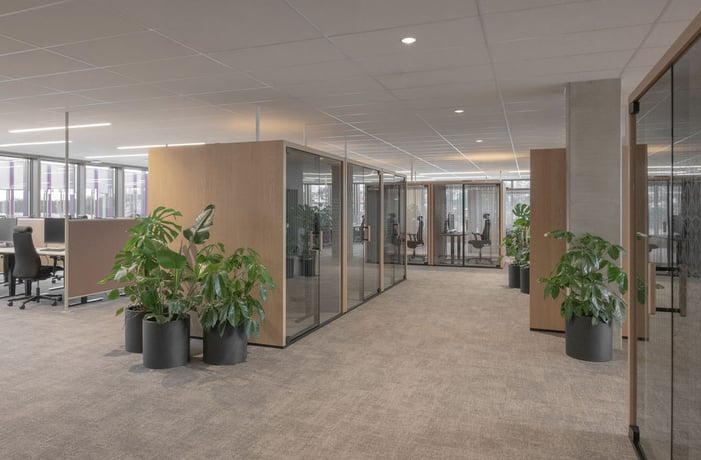

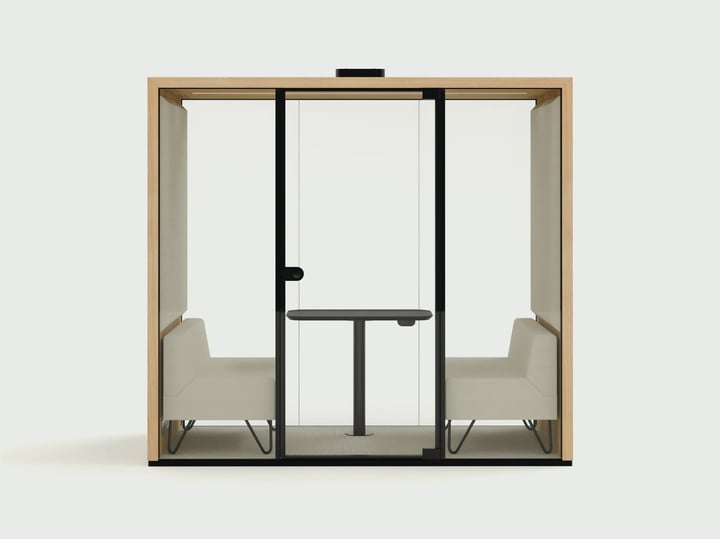
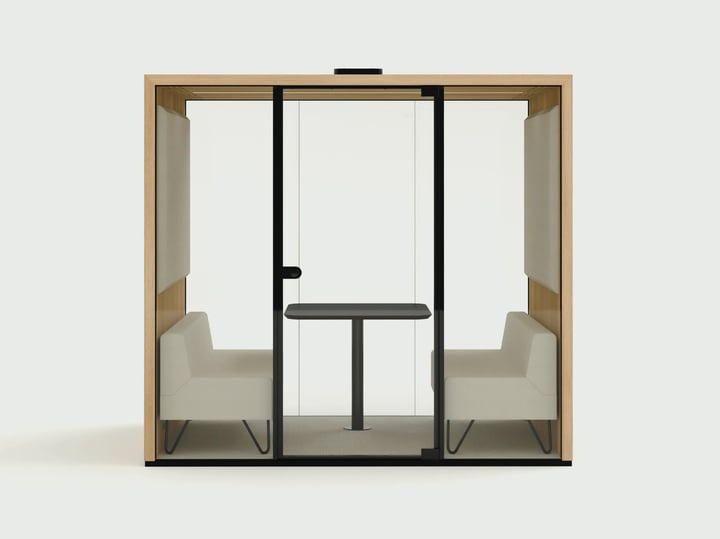

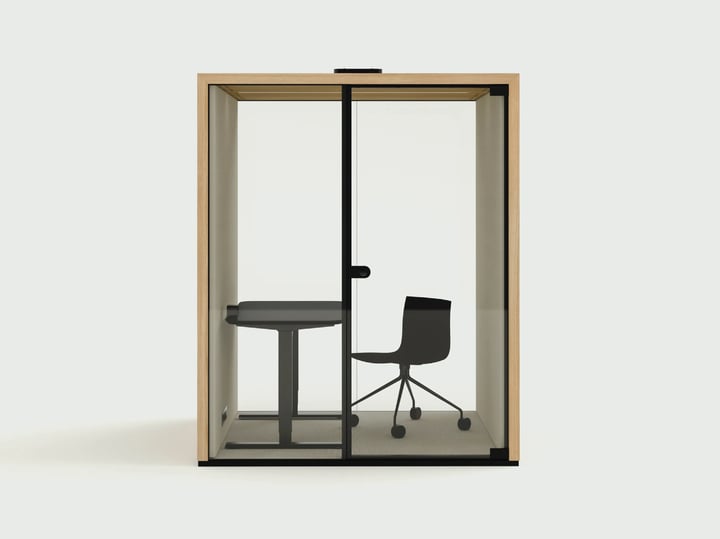

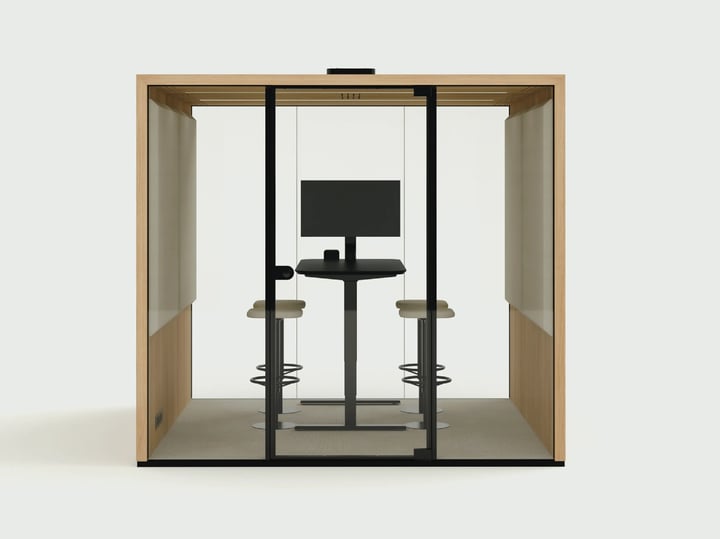

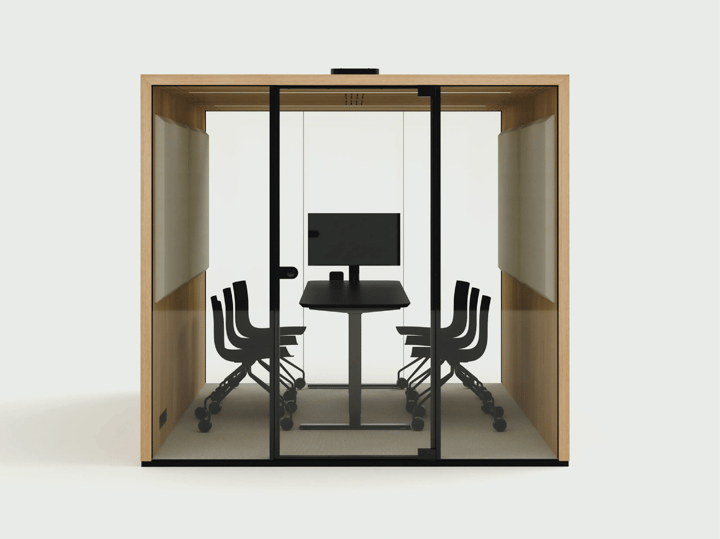




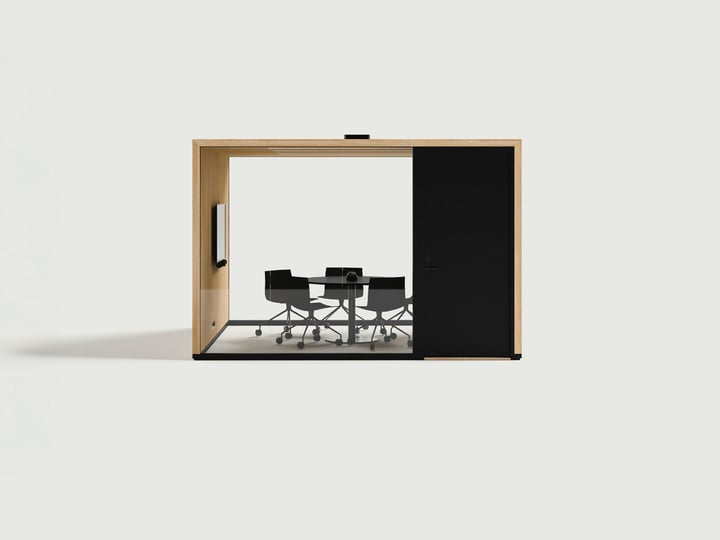

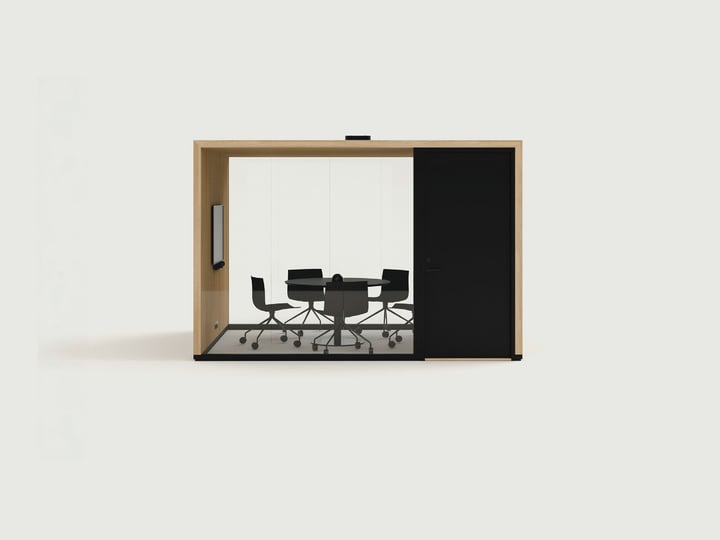

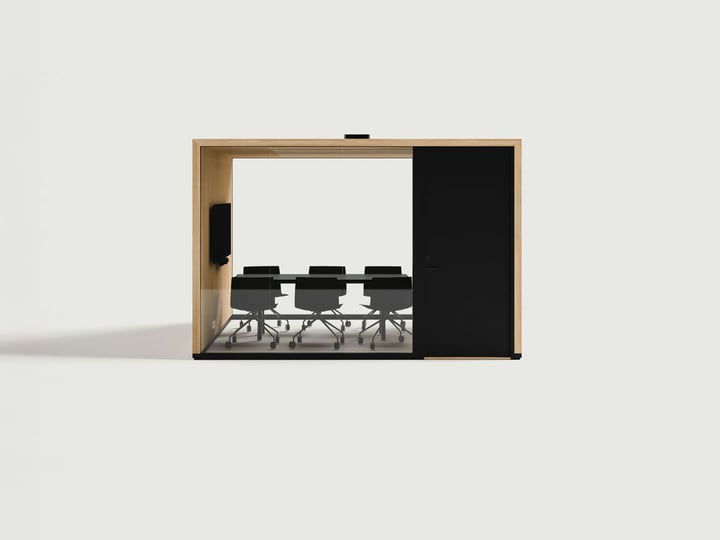

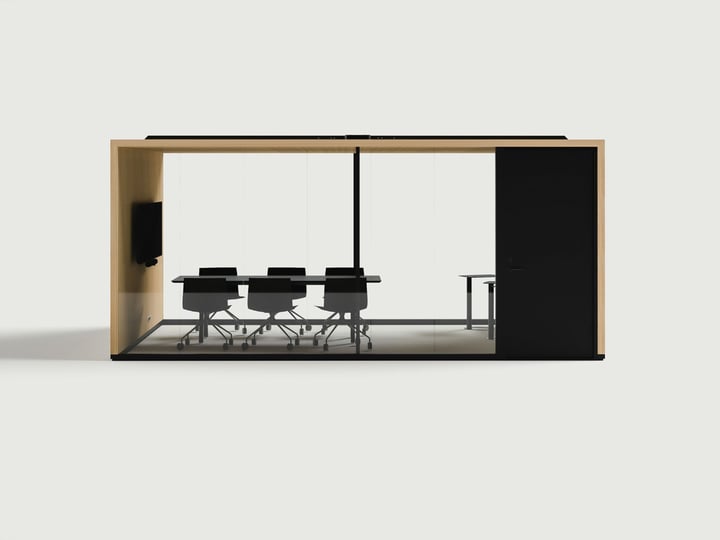














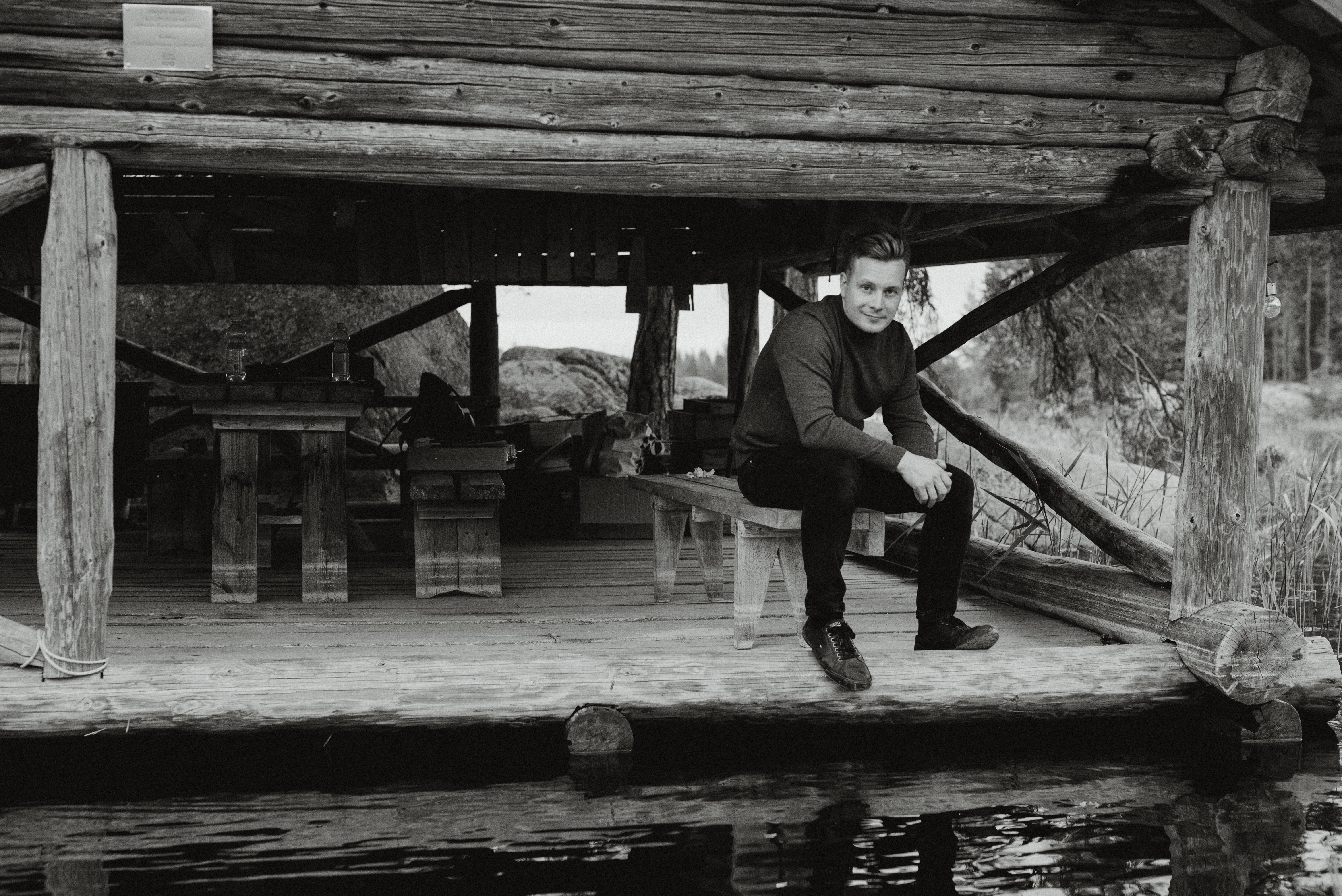
“It started with a shared curiosity and different strengths. Tapani Laukkanen, my co-founder, had deep furniture industry know-how, and I brought a design perspective. We saw that workspaces were changing – becoming more open, dynamic, and noisy – and believed we could shape how people experience them,” says co-founder and Head of Design, Pekka Eskelinen.
Where it began
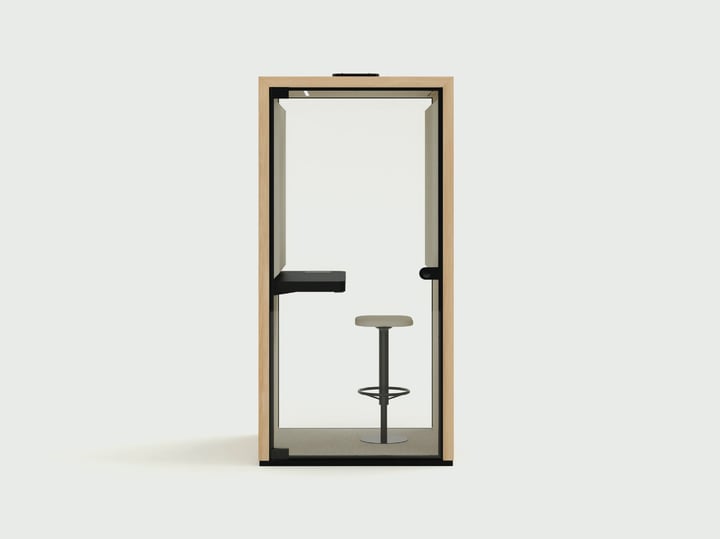
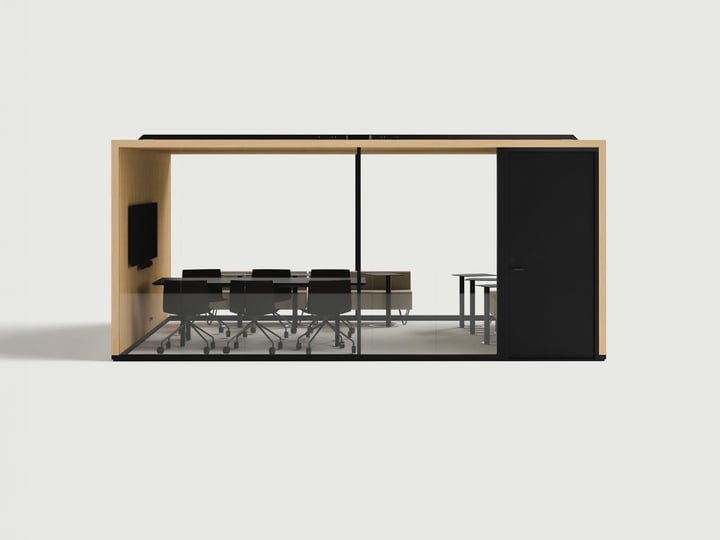
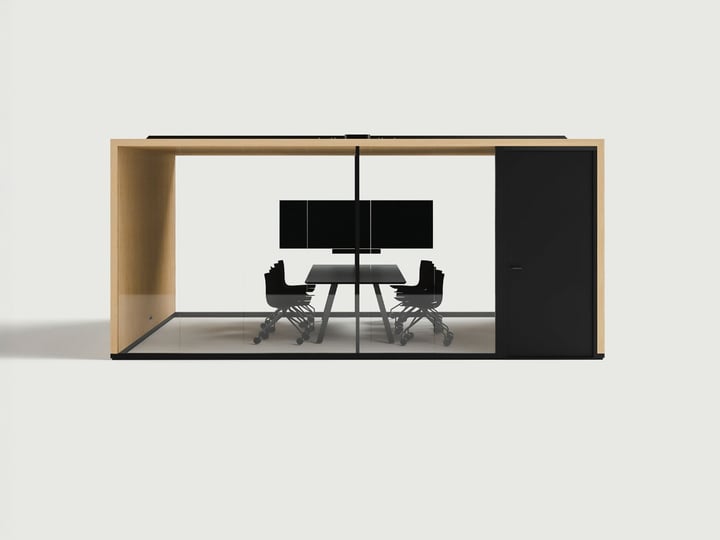
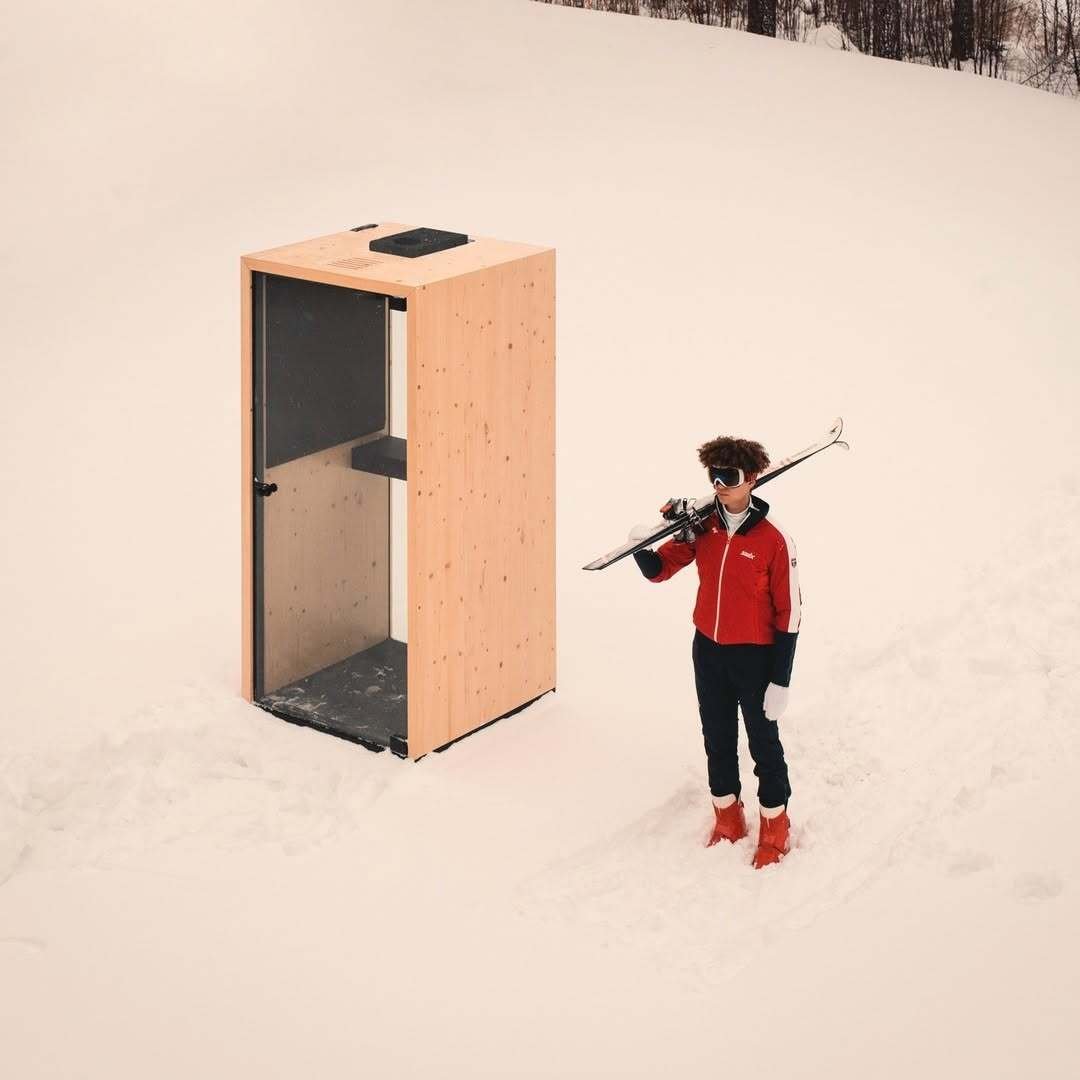
Taiga’s story began at Savonia University of Applied Sciences, where Pekka and Tapani first met. Their early collaboration led to the creation of wooden furniture prototypes – and eventually, the first Taiga pods. A significant breakthrough came with Finland’s national broadcasting company, Yle, where Taiga was selected to develop modular, soundproof rooms using vertical log construction.
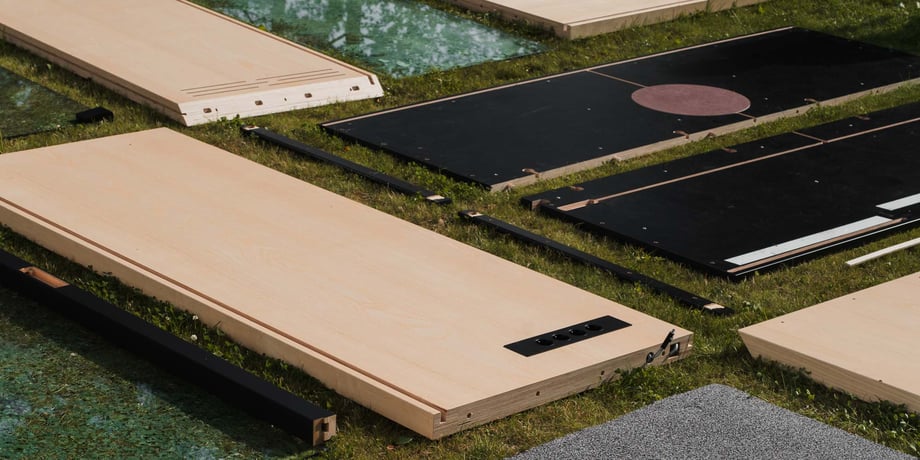
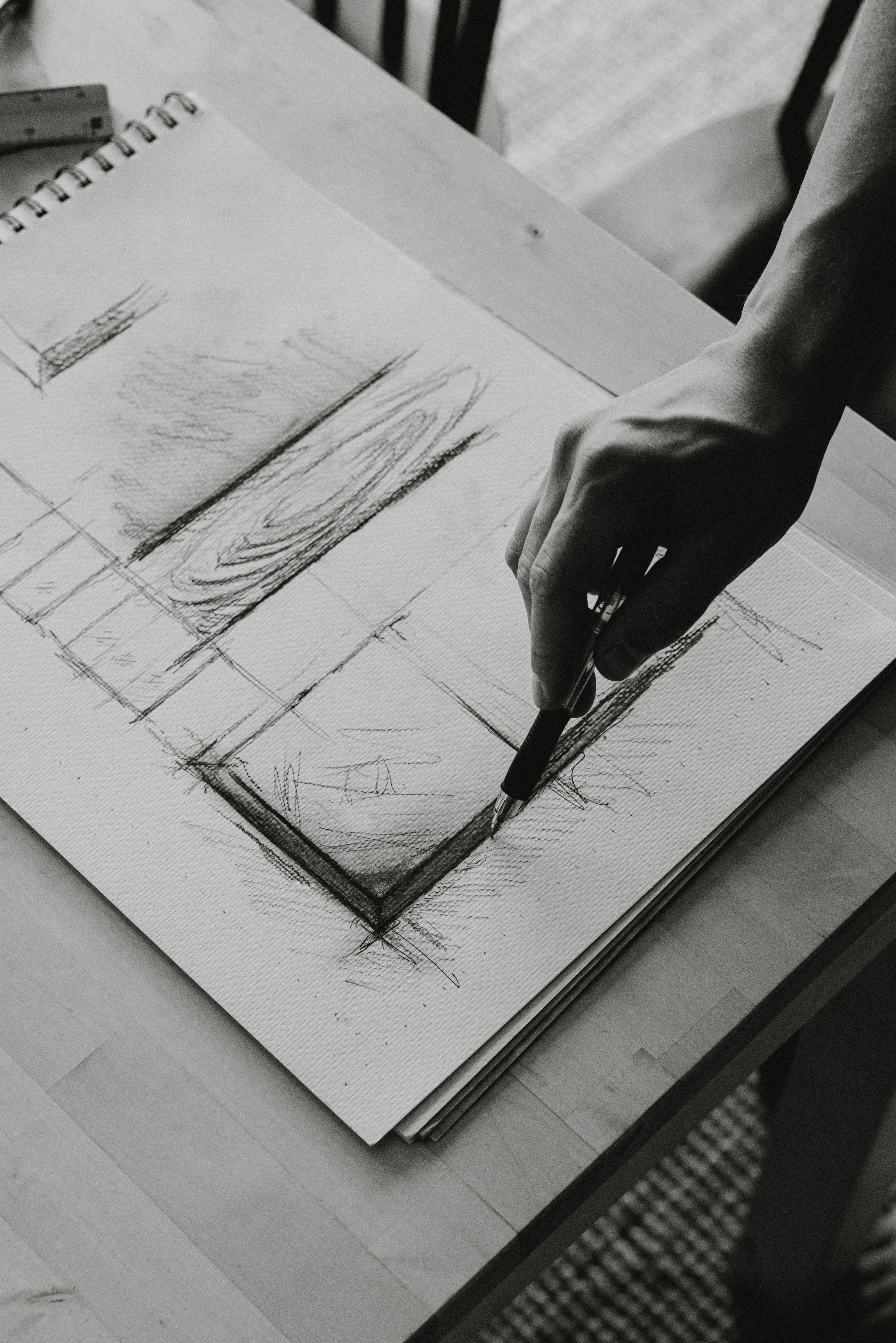
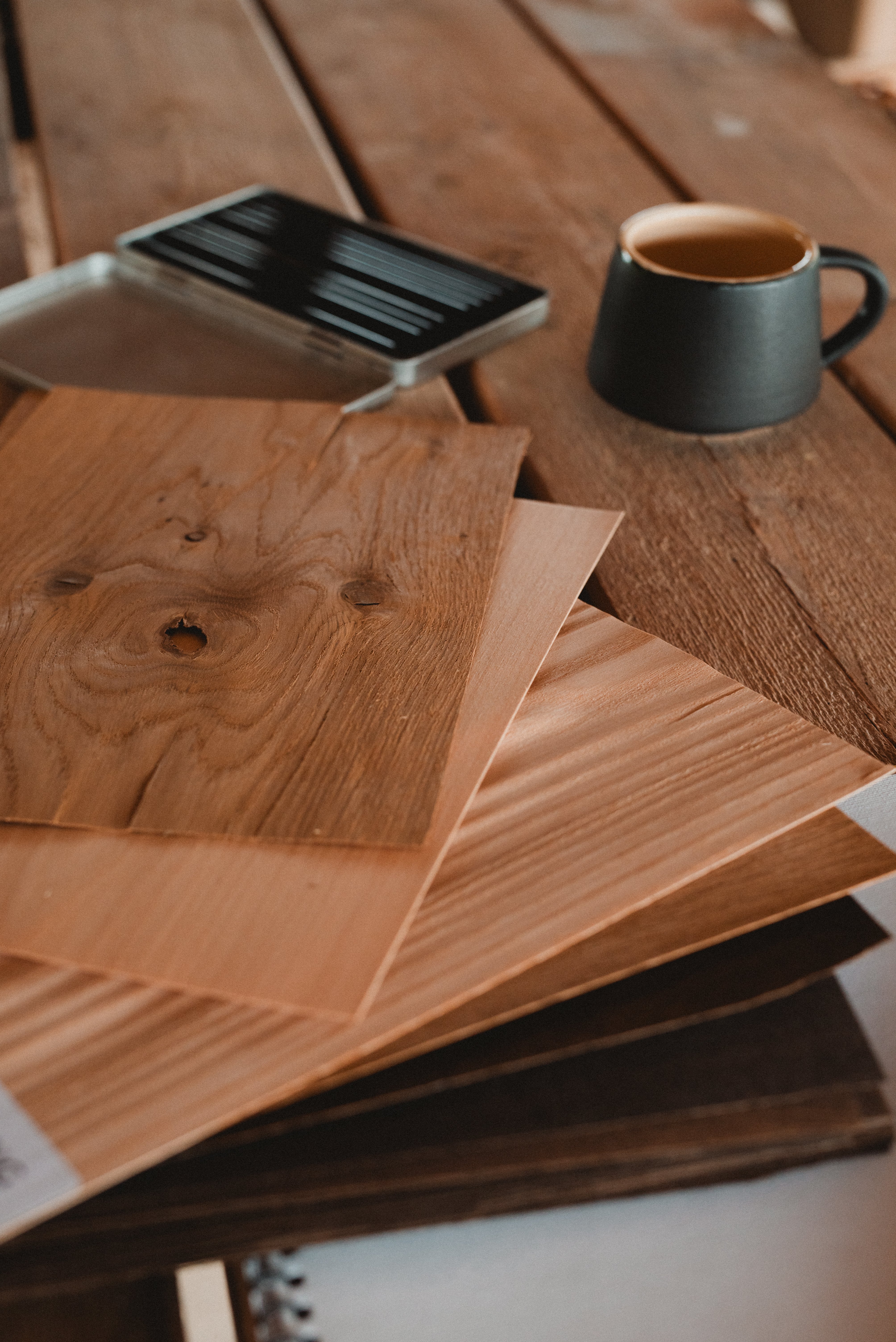
“We spent a lot of time at the factory figuring out how the materials behaved – how glass, wood, and acoustic elements could come together. It was hands-on, experimental, and intense,” describes Pekka.
Early challenges – and momentum
Those first years were full of difficulties. Quality control with solid wood, cash flow challenges, and the need to balance other jobs all added to the pressure. But step by step, Taiga took shape. By 2017, a redesigned product family and new funding helped the company stabilise and expand.
Taiga reached several key milestones along the way, including:
- A major delivery for Volvo in Sweden.
- A debut at Orgatec 2018, where clients like Zalando first discovered Taiga.
- Growth in Asia, with collaborations involving Steelcase, Apple, Google, and Microsoft.
“The moment we shipped our first overseas project – that was when it felt real,” recalled a colleague from the production team.
.jpg?width=1920&height=1440&name=Shenzen%20library%20(9%20of%2011).jpg)
Reflections from the team
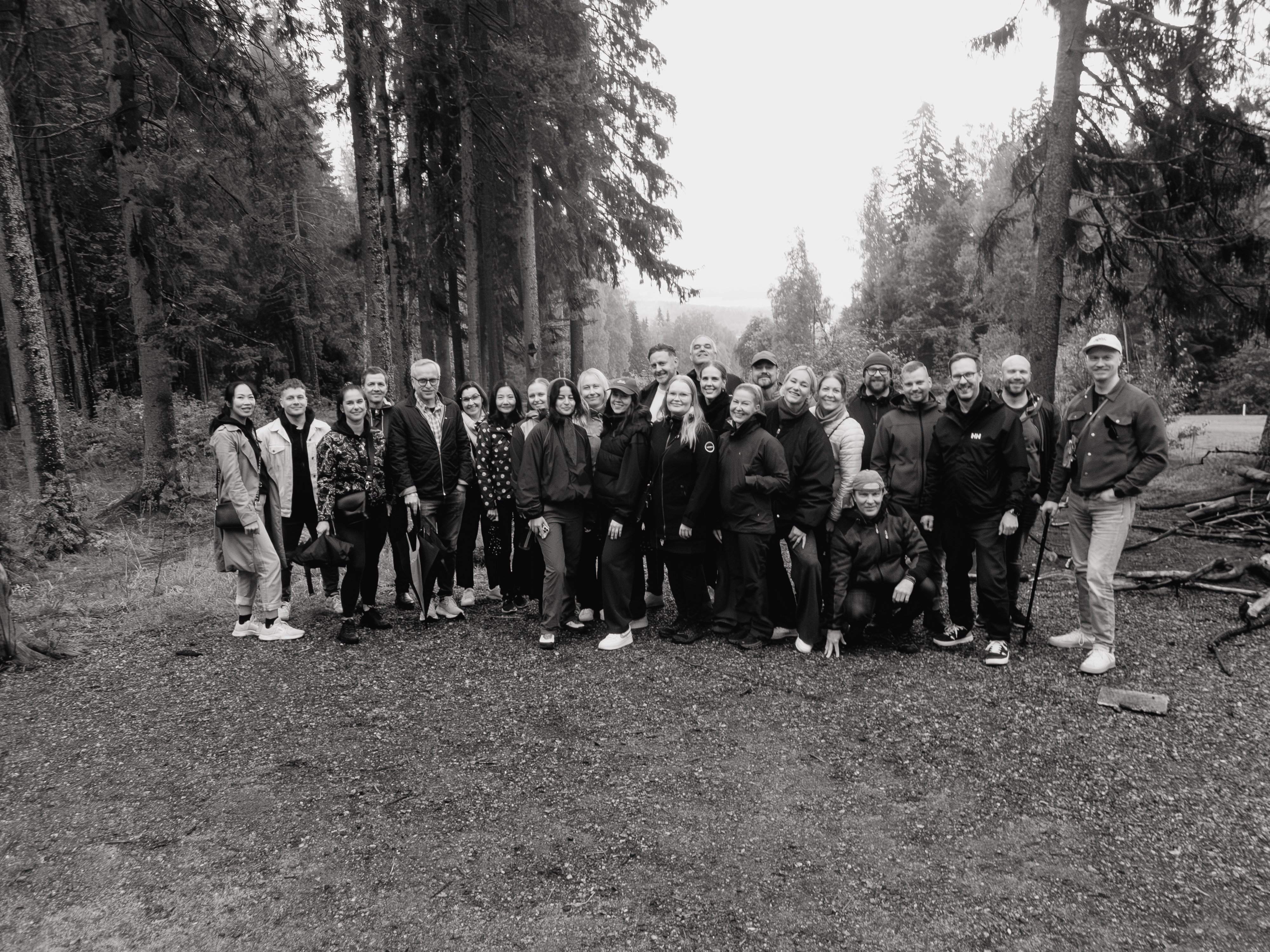
To mark the ten-year milestone, we invited the team to share their memories along the way. The reflections highlight what it’s been like to build Taiga from the ground up: intense, unpredictable, and full of character.
“Seeing early prototypes and thinking, this will never work. And then it did.”
“Working from the production hall, freezing, but having fun.”
“You get to do meaningful work. And you get to do it your way.”
These stories reflect the everyday work behind Taiga – practical, hands-on, and built on shared effort.
Design as a constant
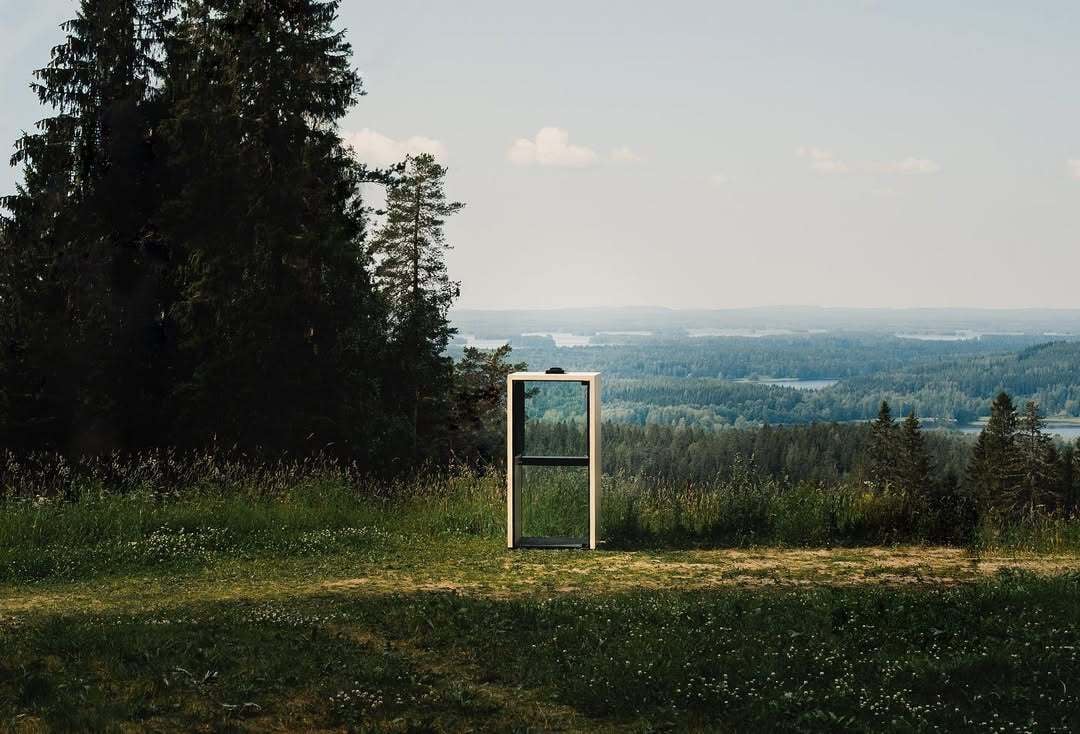
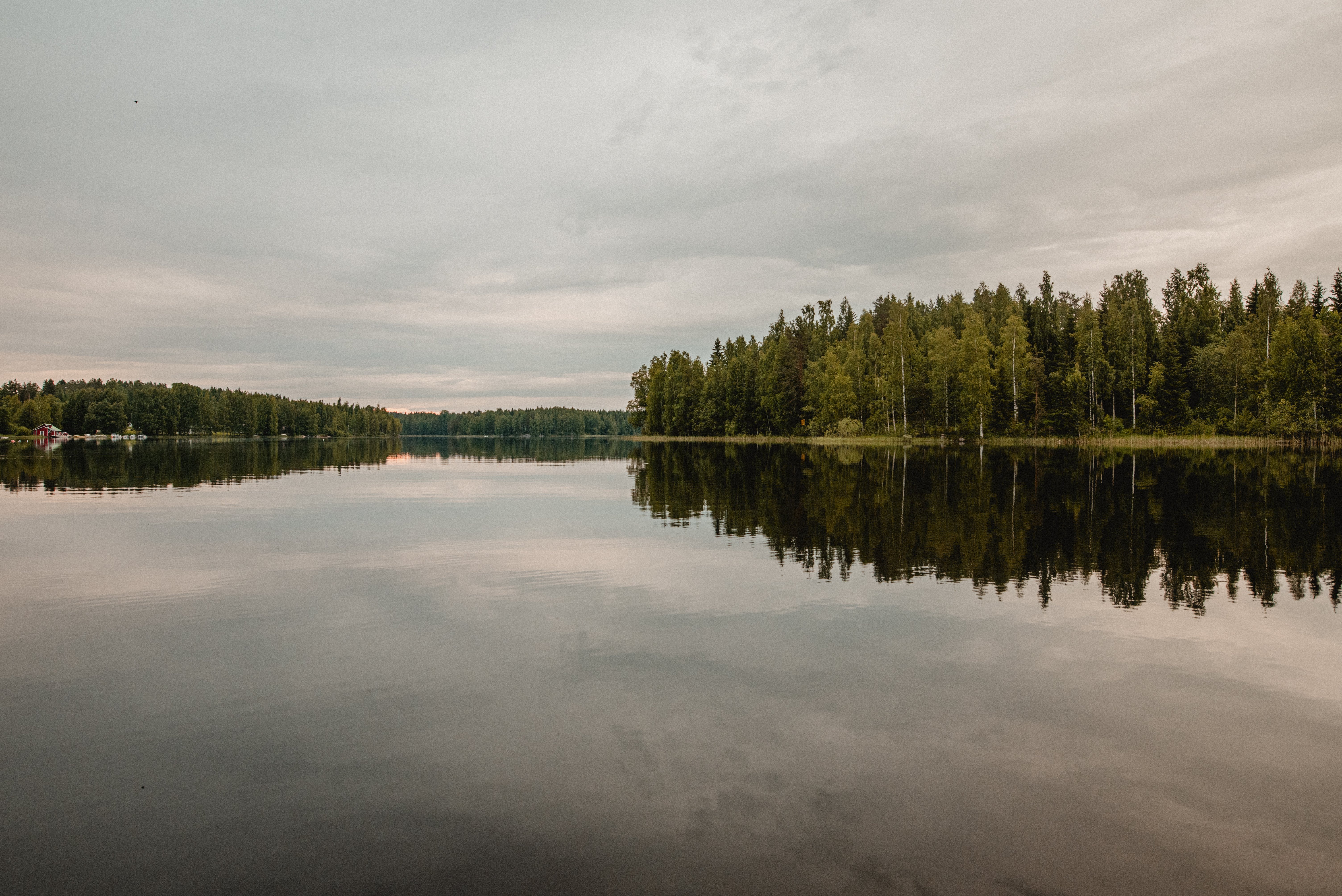
From the beginning, Taiga’s design philosophy has drawn from the calm clarity of the Nordic landscape. The starting point was Scandinavian simplicity and a desire to create a product portfolio that offers timeless design and space.
“Our core design has stayed stable – so we can ensure durability and maintainability. It’s about building something timeless, not trendy,” says Pekka.
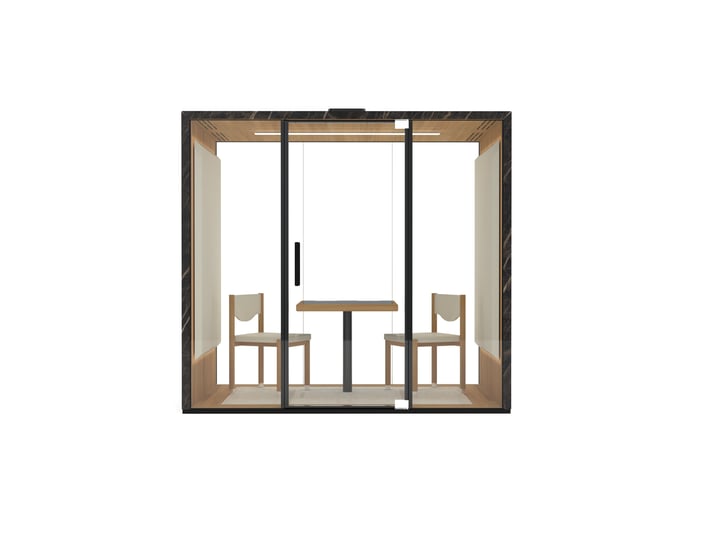
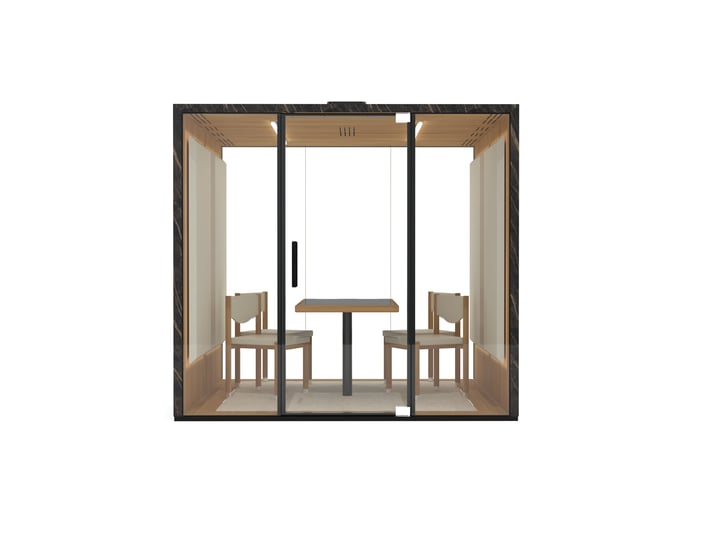
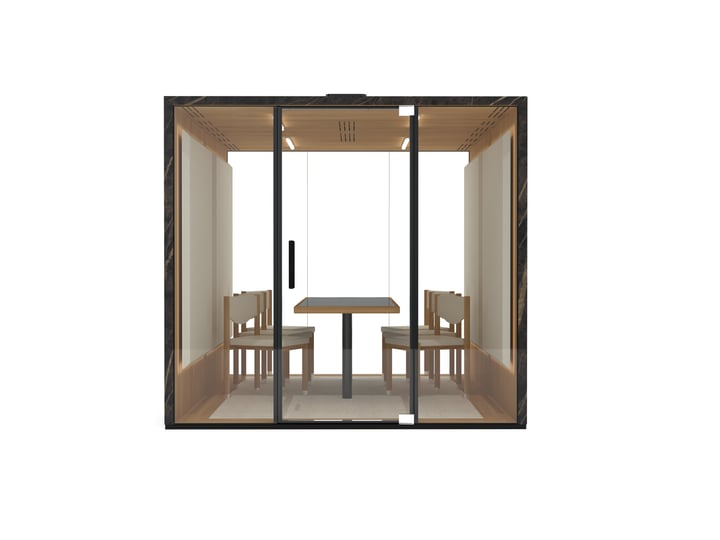
This thinking has guided products like Picea and Flex, both developed through close collaboration with clients. They reflect our ability to adapt and customise – without losing what makes the design recognisably Taiga.
From products to spatial systems
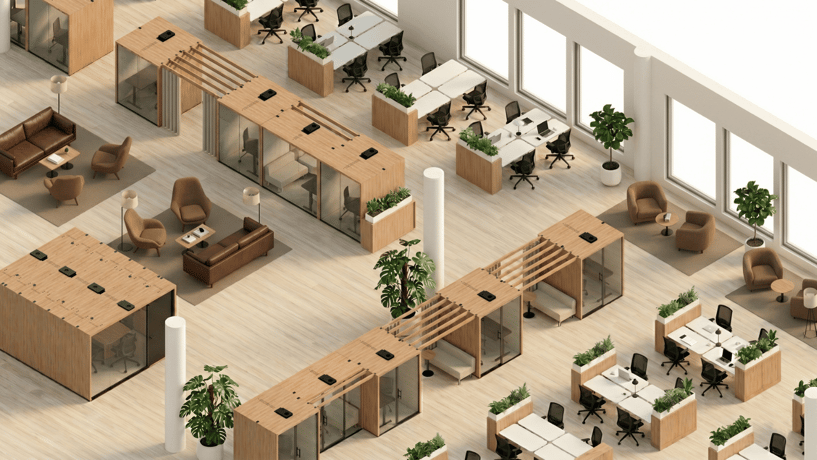
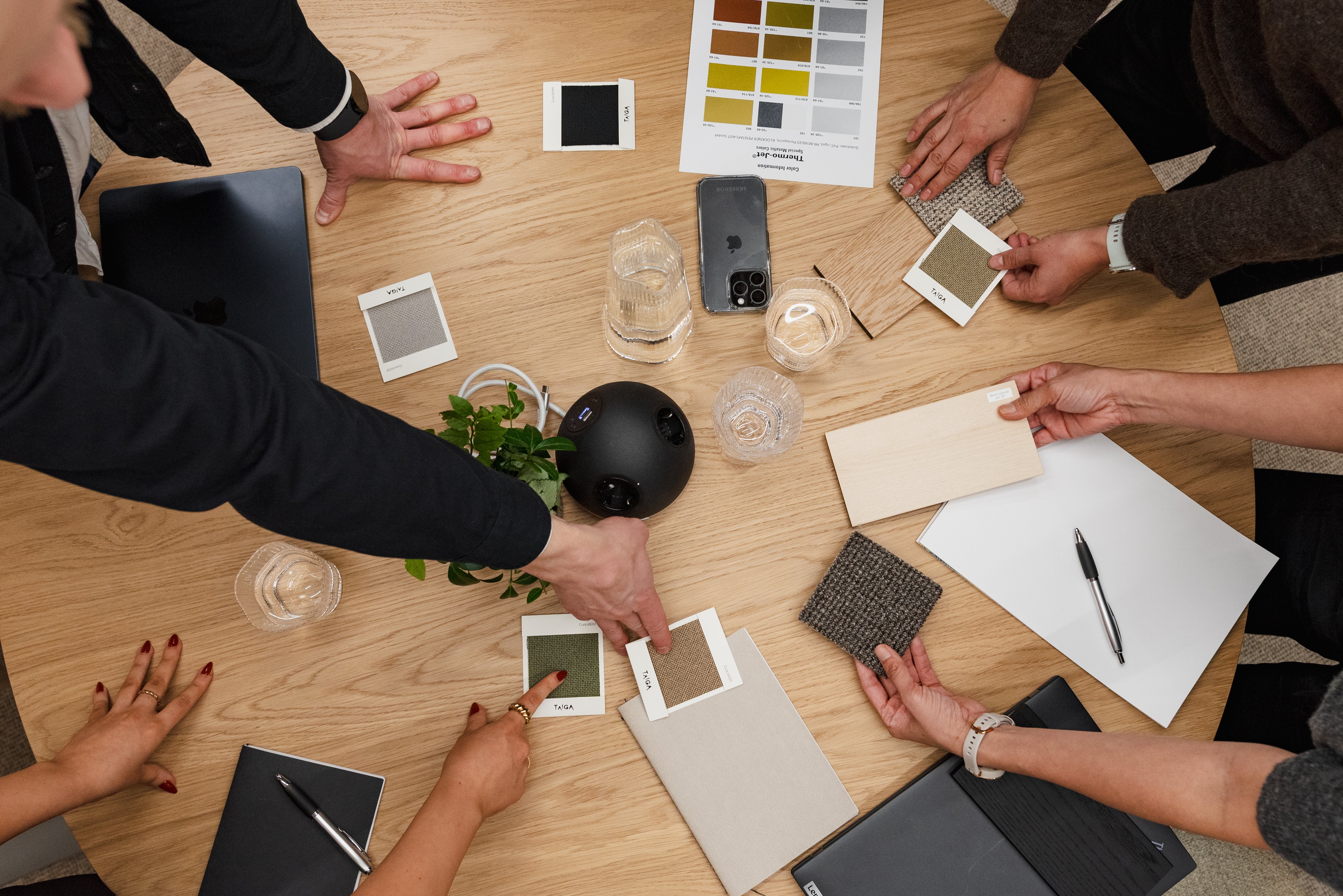
Today, Taiga’s approach has evolved from standalone pods to complete spatial systems. Taiga Forma integrates focus, collaboration, and transition areas using modular elements, helping clients build flexible environments that can evolve when needs change.
“We don’t aim to be an interior design firm – but we want to support the process earlier, at a stage where our modular solutions can shape the space more meaningfully,” says Managing Director, Jukka-Pekka Kovanen.
Looking ahead
Sustainability is at the heart of everything Taiga does. The team is developing reuse and return models and pushing for more circular thinking in how interior spaces are planned and maintained.
“Buildings account for over 35% of global emissions. If we can help reduce the need for permanent construction – even in a small way – it matters,” says Pekka.
Our goal is simple: help clients create workspaces that last and evolve with them.
“I’d love to see us move away from project-based thinking and toward long-term partnerships with clients – where we can support them as their needs evolve,” says Jukka-Pekka.