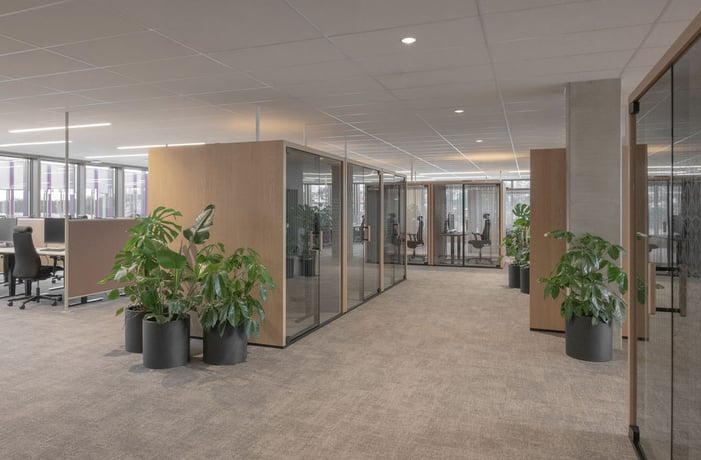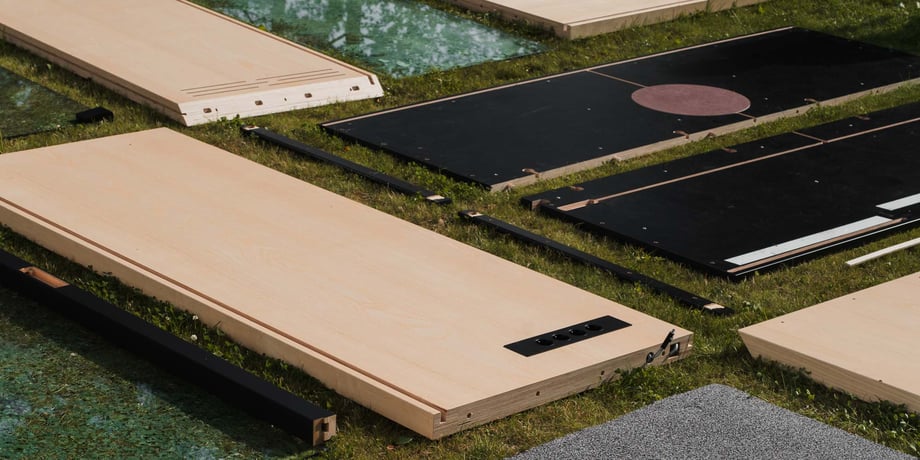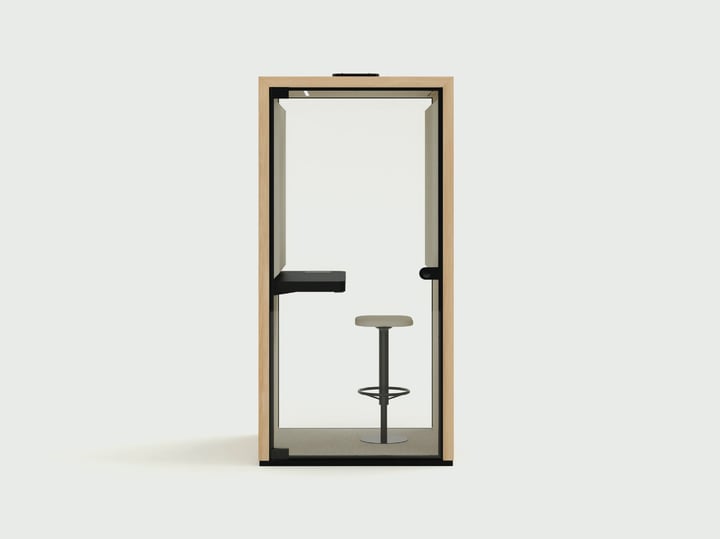

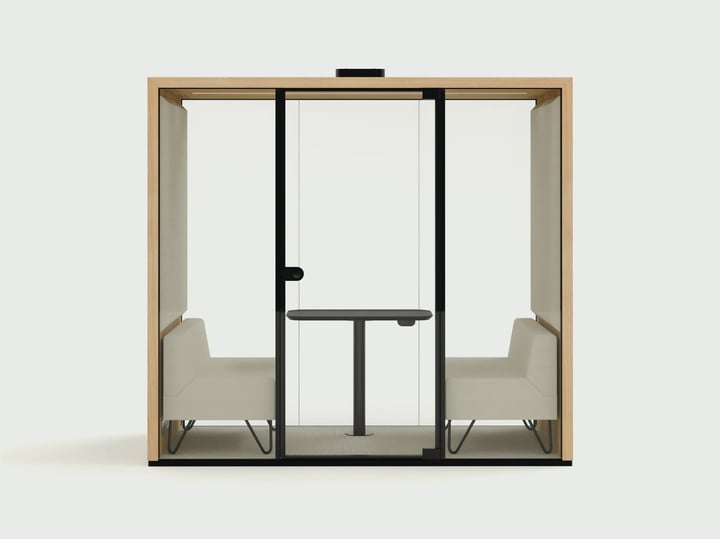
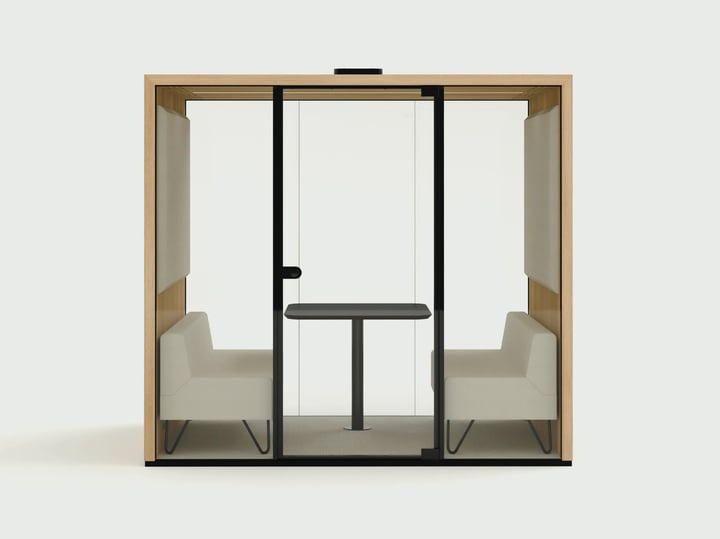

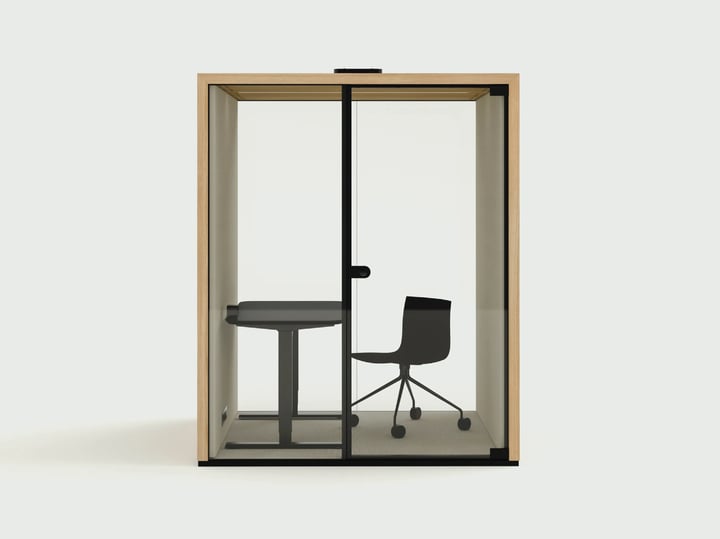

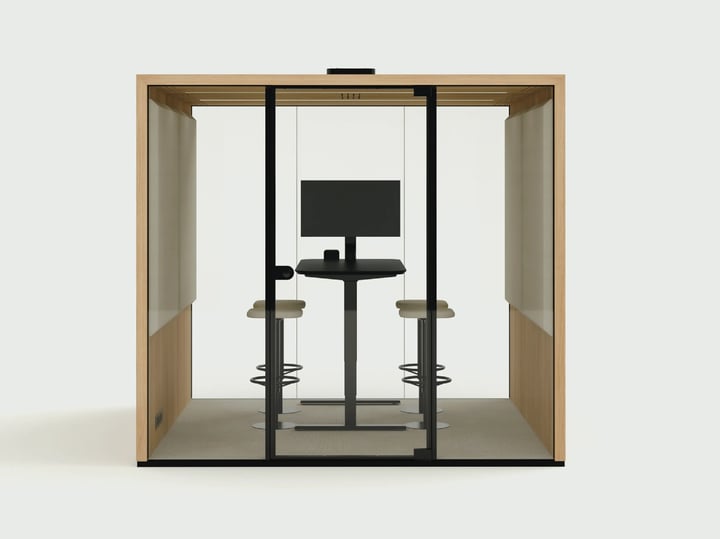

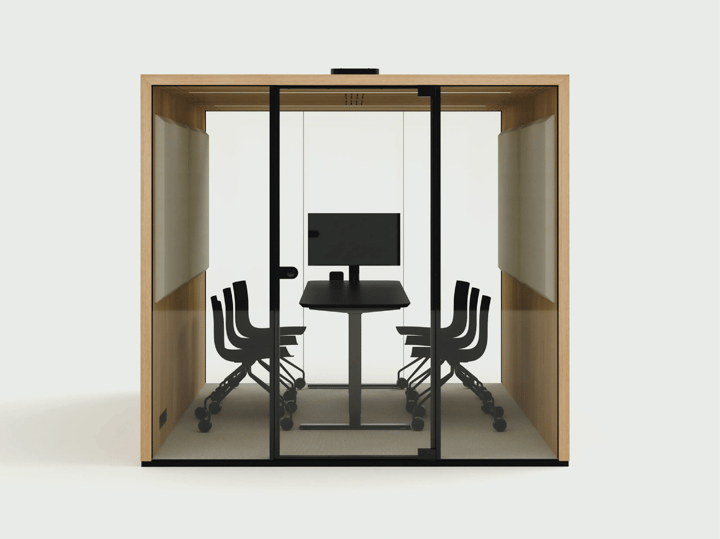

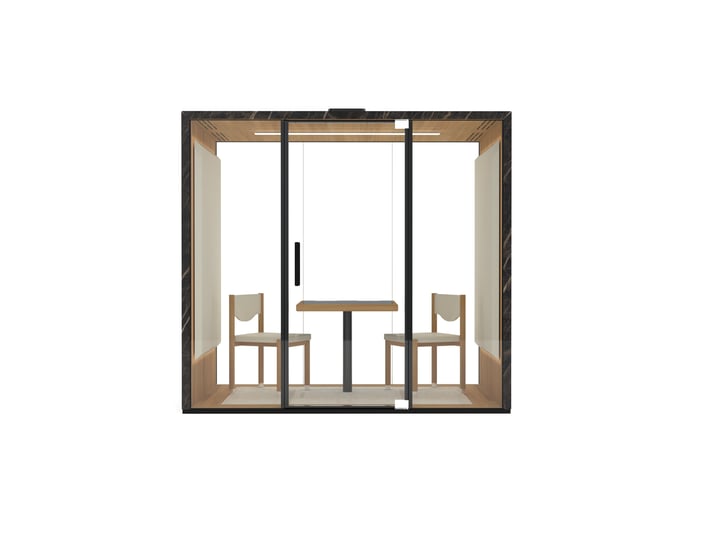

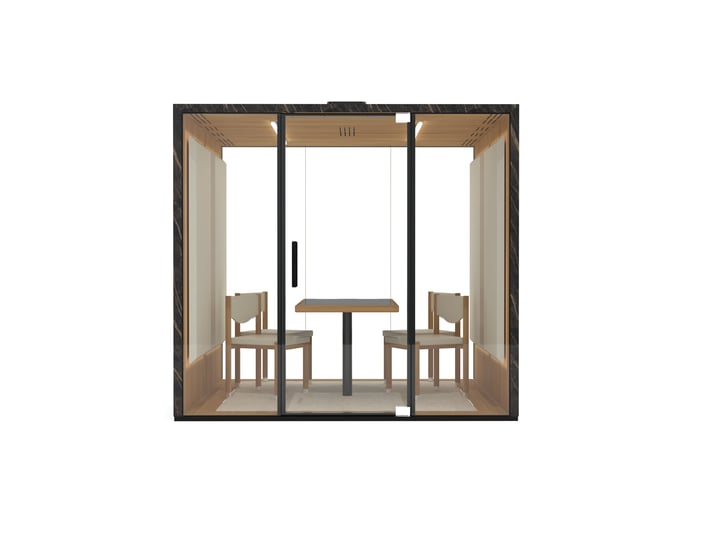

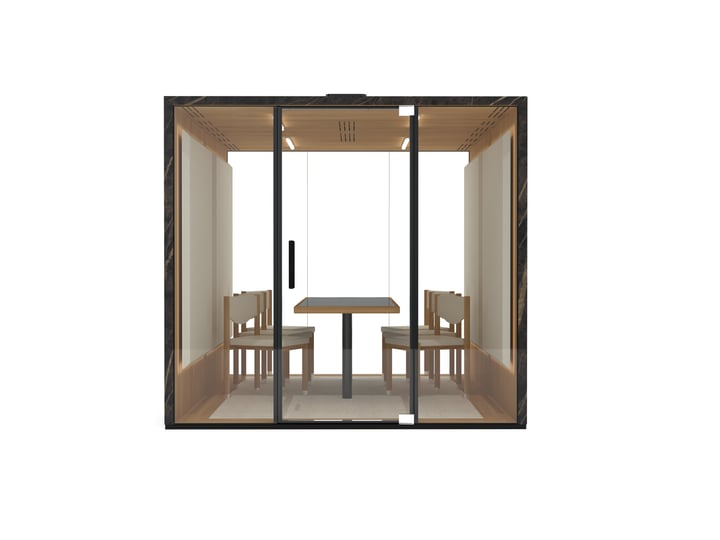

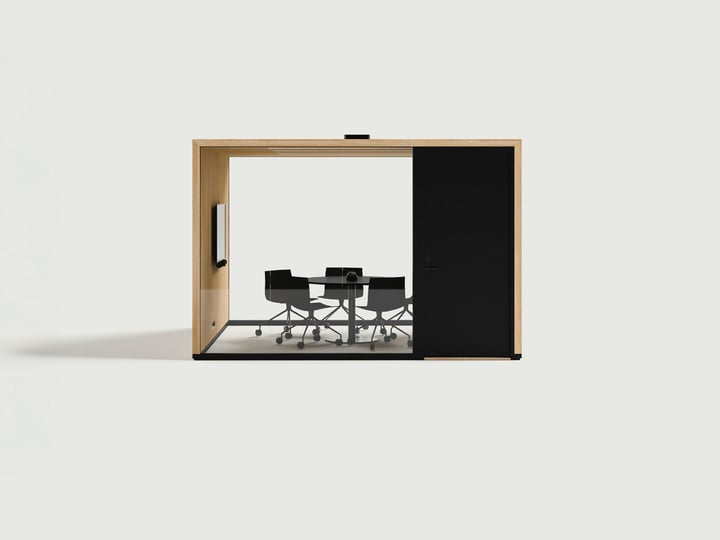

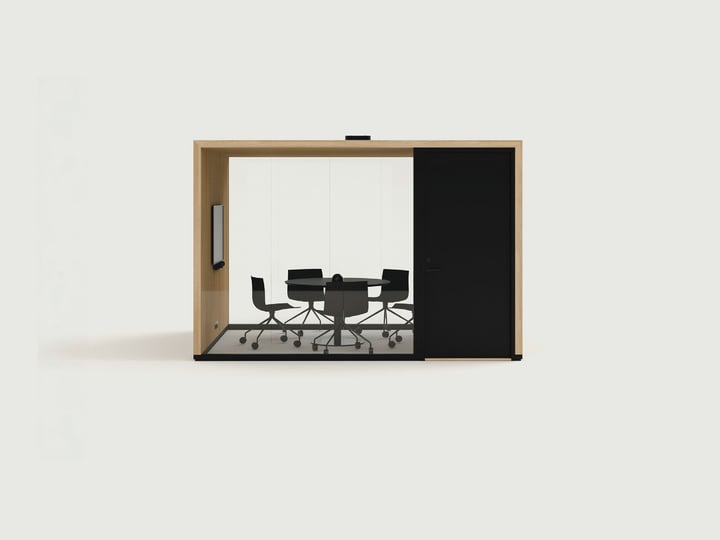

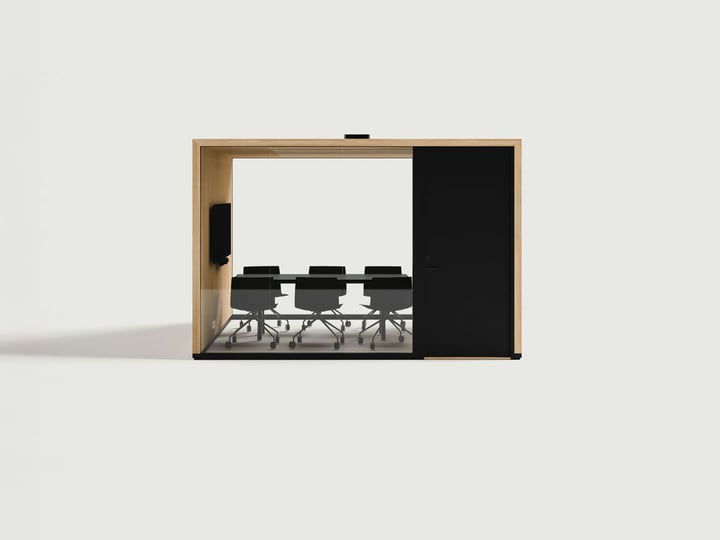

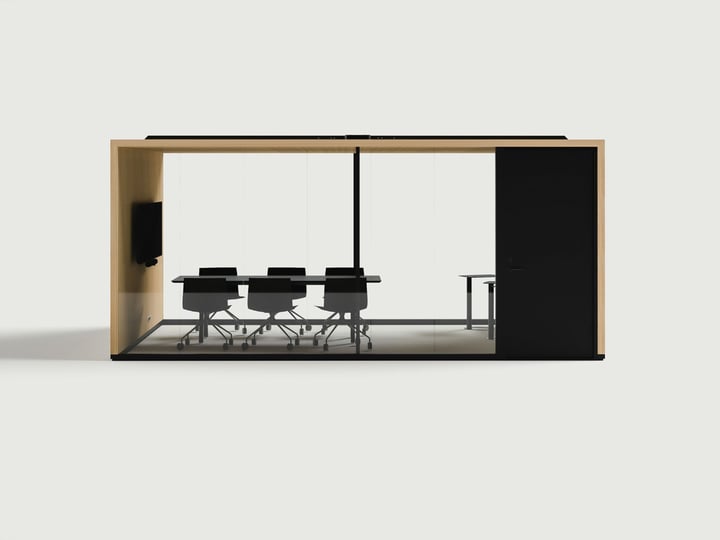

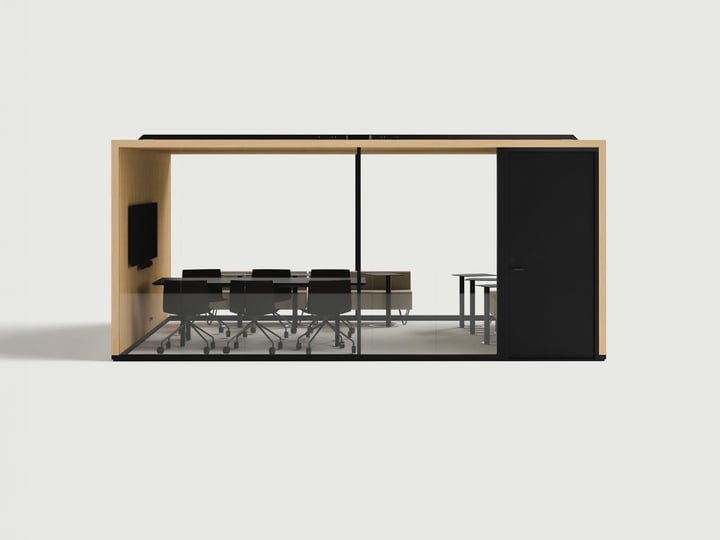

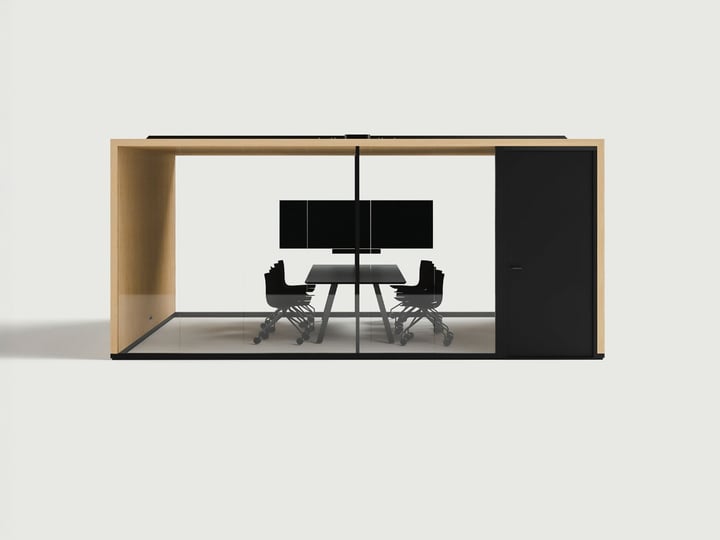










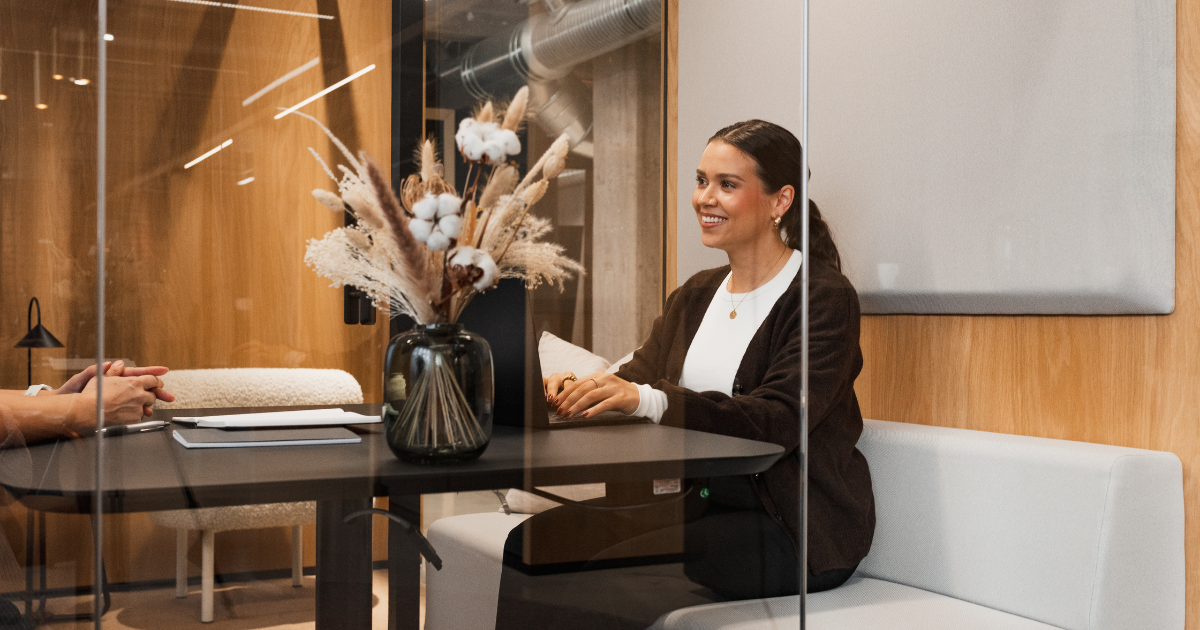
As open-plan offices continue to evolve, modular office pods are becoming an important part of modern workspace design. They help create quieter zones for focused work, hybrid meetings, private calls, and collaboration without permanent construction or fixed layouts.
But many projects still approach modular office pods as standalone furniture products instead of part of a broader workplace strategy.
In practice, the most successful coworking spaces treat modular workspaces as long-term spatial infrastructure: adaptable environments that improve focus and productivity while supporting scalable layouts and changing occupancy needs.
This guide explains how coworking operators and workplace managers can evaluate modular office pods using a spec-first approach that balances acoustic comfort, ventilation, lighting, technology, and long-term flexibility.
Why modular solutions matter in flexible workspaces
The role of the office has changed significantly in hybrid work environments. People increasingly come to the workplace for:
- Collaboration
- Social interaction
- Focused tasks
- Meetings that benefit from shared physical space
At the same time, coworking spaces and flexible workspaces must support fluctuating occupancy, multiple tenant profiles, and evolving workplace layouts.
This creates a common challenge in modern workspace design: open environments support interaction well, but often struggle to provide enough privacy and concentration space. Modular office pods help solve this by introducing defined zones inside open layouts without permanent walls or costly renovations.
Instead of relying entirely on fixed meeting rooms, coworking operators can create:
- Quiet focus areas
- Private video-call spaces
- Meeting environments
- Project rooms
- Adaptable collaboration zones
Because modular solutions can be relocated and reconfigured, they also support long-term flexibility as workplace needs evolve.
For growing coworking operators, this directly supports:
- Higher space utilization
- Scalable layouts
- Improved user experience
- Reduced renovation costs
Start with workplace behavior, not pod types
One of the most common mistakes in workspace planning is starting with the product instead of the activity.
Instead of asking, “Which pod should we buy?”, a better question is: “What type of work should this space support?”
At Taiga, activity-based workplace planning is built around four workplace modes:
- Focus
- Meet
- Connect
- Transition
Each mode supports different workplace behaviors and requires different environmental conditions.
Focus spaces
Focus spaces support:
- Concentrated individual work
- Confidential calls
- Deep thinking
- Reduced distraction
In coworking spaces, these environments are often in constant demand because open layouts rarely provide consistent acoustic or visual calm.
Important considerations include:
- Acoustic comfort
- Ventilation quality
- Ergonomic seating
- Balanced lighting
- Visual privacy
The goal is not complete isolation from the surrounding office, but a space where people can work comfortably without constant interruption.
Meeting and collaboration spaces
Hybrid collaboration requires spaces that work equally well for in-person and remote communication.
Collaboration-focused modular office pods should support:
- Small team meetings
- Video conferencing
- Brainstorming
- Project work
Important features often include:
- Integrated power access
- Video-call lighting
- Acoustic balance
- Shared displays
- Reliable connectivity
In flexible workspaces, these environments help reduce pressure on traditional meeting rooms while improving booking flexibility.
Transitional and multi-use spaces
Not every workplace zone needs to be fully enclosed.
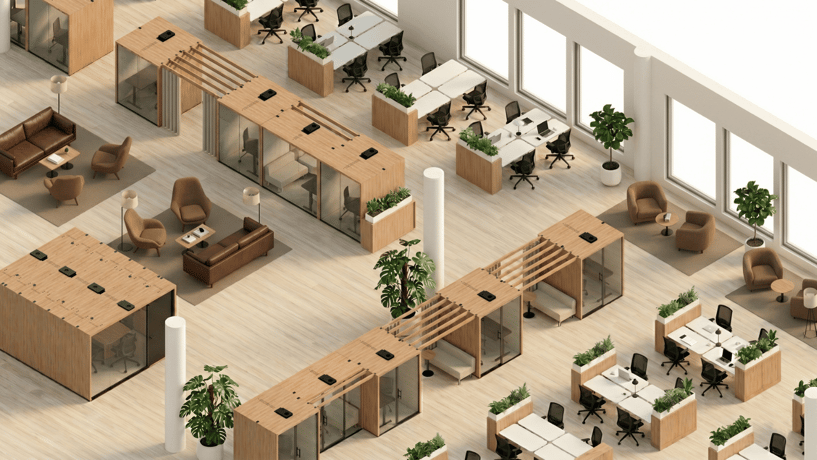
Modular workspace systems can also help define:
- Transition areas
- Temporary project zones
- Breakout spaces
- Informal meeting points
Architectural elements such as pergolas, space dividers, and modular layouts help create visual structure and acoustic balance while maintaining openness.
This approach supports adaptable workplace design without fragmenting the office into fixed rooms.
.jpg?width=2500&height=1669&name=Taiga%20Forma%20Lifestyle%20(9%20of%2054).jpg)
The most important specifications for office pods and workspaces
1. Acoustic comfort
Acoustic performance plays a central role in workplace experience.
In coworking spaces, users expect environments where conversations remain comfortable, calls are clear, and focused work is possible even within open-plan settings.
However, acoustic quality should always be evaluated in relation to the intended use of the space. For example, focus spaces require stronger speech privacy, while collaboration areas may prioritize balanced acoustics and communication clarity.
What to evaluate
| Requirement | Recommended consideration |
|---|---|
| Speech privacy | Suitable for focused work and calls |
| Reverberation control | Reduced echo inside the space |
| Ventilation noise | Low background noise levels |
| Real-world workplace performance | Tested in open-plan environments |
Rather than relying only on isolated laboratory ratings, workplace managers should evaluate how the pod performs in actual office conditions.
Questions worth asking:
- How does the space sound during video calls?
- Does ventilation introduce distracting noise?
- Does the environment feel calm during extended use?
- How does the pod integrate acoustically into the surrounding workspace?
In many cases, balanced acoustic comfort and usability are more important than maximizing isolation alone.
2. Ventilation and air quality
Ventilation quality strongly affects comfort, concentration, and occupancy duration.
Poor airflow quickly makes small spaces feel uncomfortable, especially in high-use coworking environments.
Recommended considerations
| Requirement | Recommended spec |
|---|---|
| Air changes per hour | 6–12 ACH |
| Occupancy-based airflow | Recommended |
| Low ventilation noise | Essential |
| Fresh air circulation | Preferred |
Good ventilation helps support:
- Concentration
- Thermal comfort
- Longer booking durations
- Overall user satisfaction
It is also important to evaluate airflow together with acoustic performance, since excessive ventilation noise can reduce workplace comfort significantly.
3. Lighting for hybrid work
Lighting affects both focus and video-call quality.
Many traditional meeting spaces still use lighting designed primarily for physical meetings, even though hybrid work increasingly depends on camera presence and visual comfort.
Recommended considerations
| Requirement | Recommended spec |
|---|---|
| Color temperature | 3500K–4000K |
| CRI | 90+ |
| Flicker-free lighting | Essential |
| Adjustable brightness | Recommended |
Balanced lighting supports:
- Reduced eye strain
- Visual comfort
- Better on-camera appearance
- Longer usability throughout the day
4. Technology integration
In modern coworking spaces, modular office pods are part of the workplace technology ecosystem.
The best solutions support seamless day-to-day use without complicated setup requirements.
| Feature | Requirement |
|---|---|
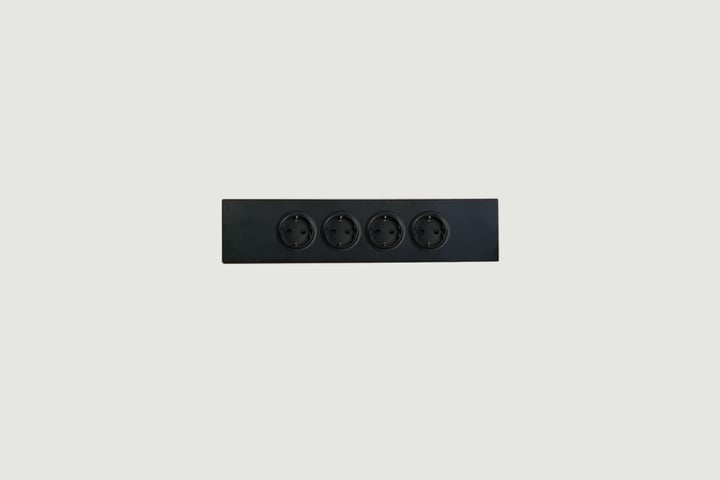
| Power outlets | AC + USB-C |
| Wi-Fi support | Essential |
| Video conferencing readiness | Recommended |
| Booking integration | Useful for shared spaces |
| Occupancy analytics | Optional |
Technology should remain intuitive and integrated into the overall workspace experience rather than becoming visually dominant.
5. Scalability and adaptability
Hybrid workplaces continue to evolve, making adaptability one of the most important long-term considerations in workspace design.
Modular office pods should support:
- Relocation
- Reconfiguration
- Expansion
- Changing workplace needs over time
Unlike fixed construction, modular workspace systems can evolve without major disruption to the building or everyday operations.
For coworking operators, this creates:
- More predictable investments
- Lower renovation costs
- Improved lifecycle flexibility
- Better long-term utilization
Planning scalable layouts in coworking spaces
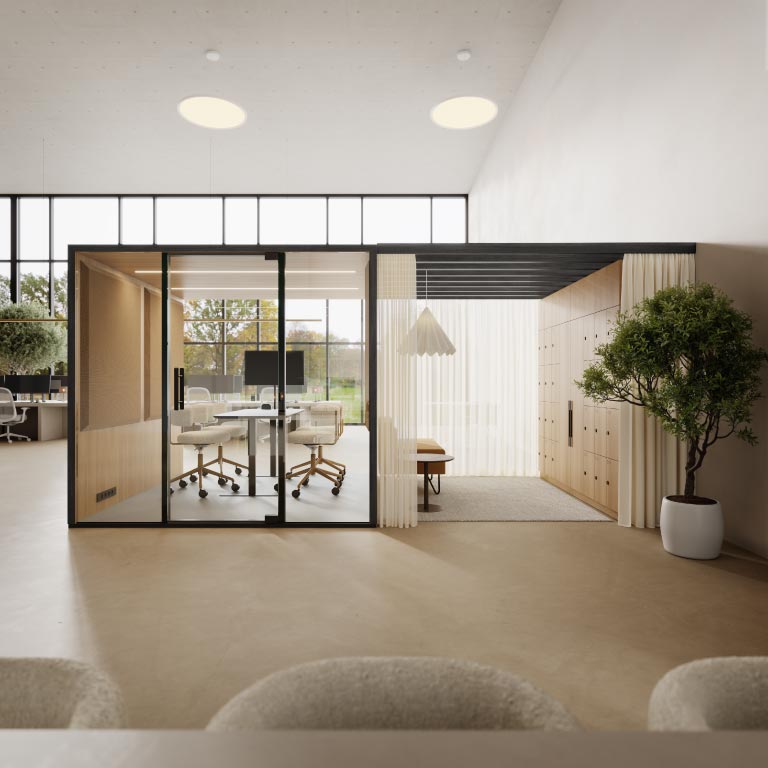
The most effective coworking spaces balance openness with quieter zones for focused work and meetings.
Modular layouts can help create:
- Pod-to-pod meeting environments
- Pod-to-wall configurations
- Spatial dividers
- Connected workplace zones
Instead of maximizing desk density alone, growing coworking operators increasingly prioritize:
- Focus and productivity
- Acoustic and visual comfort
- Flexibility
- Long-term adaptability
This creates workspaces that feel structured, calm, and easier to use throughout the day.
Final thoughts
The future of coworking spaces and hybrid workplaces is not built around fixed layouts.
It is built around adaptable environments that support different ways of working while remaining calm, functional, and visually cohesive over time.
Modular office pods help create:
- Quieter focus zones
- Flexible meeting environments
- Scalable layouts
- Workplaces that can evolve without permanent construction
For workplace managers and growing coworking operators, the goal is no longer simply adding more enclosed spaces.
It is creating workspace environments that support focus and productivity, collaboration, wellbeing, and long-term flexibility in a changing world of work.