Taiga FAQ

 Taiga Concept is a workplace design company founded in Finland in 2015. It designs modular, acoustically insulated work and meeting spaces that bring focus and clarity to open offices. The design philosophy is inspired by the calmness of Nordic nature: timeless design, authentic materials, and spaces that adapt to changing work patterns and organizational needs. 

Taiga is ideal for organisations that want to improve concentration, reduce noise and make the office more functional in hybrid working. It also serves real estate developers, coworking operators, architects and interior designers looking for a clear, modular and long-lasting solution for open spaces.

Typical challenges include noise, interruptions, lack of confidential discussions and unclear working areas. Taiga's solutions bring places to focus, meet and collaborate in the office without having to rebuild the entire space. The result is a calmer daily life and a smoother use of space. The modular solutions offer a cost-efficient way to build flexible and adaptable spaces. 

Taiga combines acoustics, architectural thinking and Nordic design into a single entity. The modular concept adds to the distinctive character, allowing the space to be built, expanded and rearranged as needs change. Taiga also focuses on transparent sustainability, for example through environmental labelling and a circular economy model.

Taiga competes not just on the price of a single product, but on total value. You get a workspace solution that is designed to withstand use, maintain its aesthetics and adapt to change. When adaptability, reuse and life-cycle thinking are taken into account, the total cost of ownership and risk level can be significantly better than seemingly cheaper options.

The working environment is not locked into a single layout or working model. As needs change, the space can be adjusted and rearranged without heavy demolition and rebuilding. This provides flexibility, reduces downtime and lowers the risk of a decision compared to permanent, hard-to-change solutions.

Taiga makes sustainability tangible through life cycle and transparency. When choices need to be justified and documented, measurability, standards and a clear life-cycle model facilitate decision-making. In addition, adaptability and reuse reduce the need for one-off purchases, thus supporting sustainability objectives on a practical level.

In many offices, the problem is not just the noise, but also the fact that solutions are added piece by piece and the whole starts to look disjointed. Taiga's strength lies in its clear, Nordic design language and the conceptualisation of the whole, which helps to build zones in an orderly way. The end result looks and feels planned, which improves both the employee experience and the first impression on visitors.

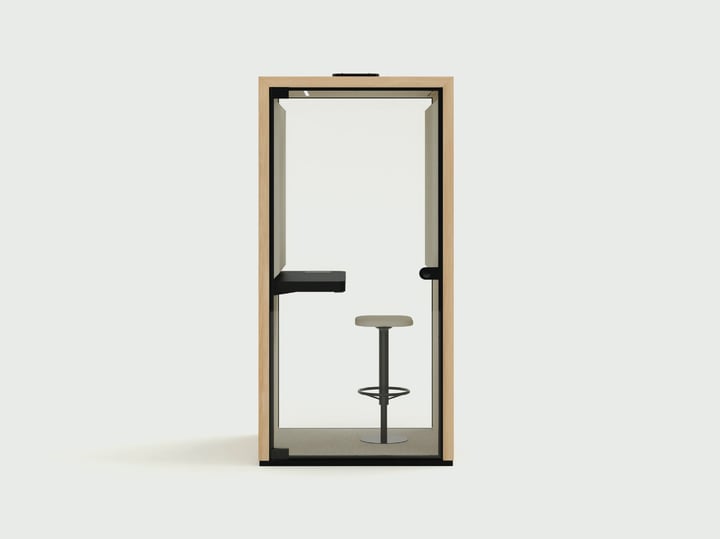
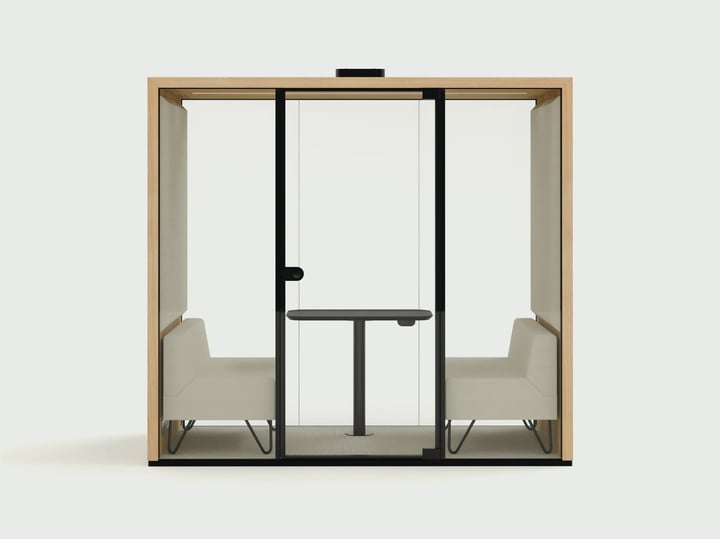
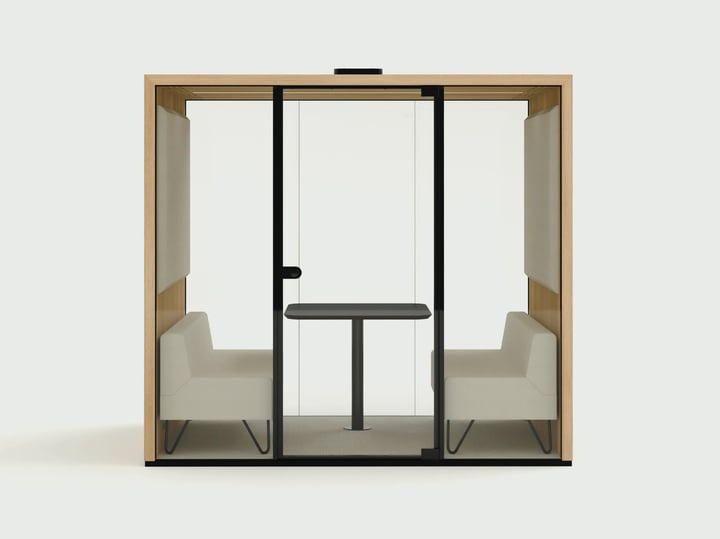
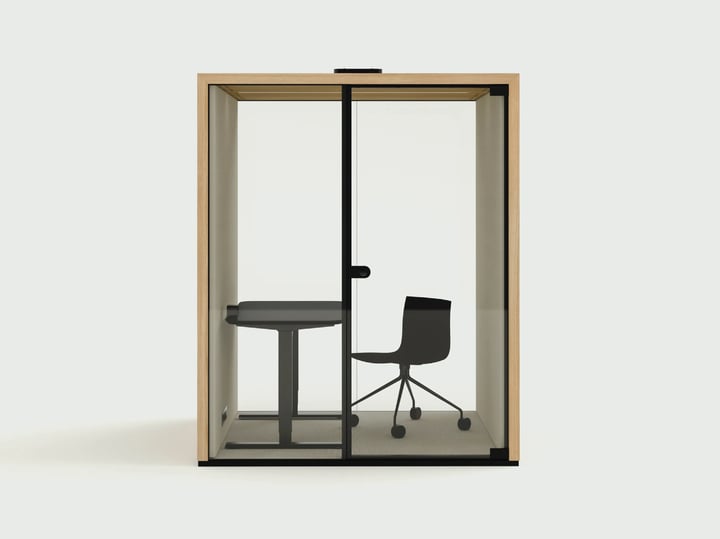
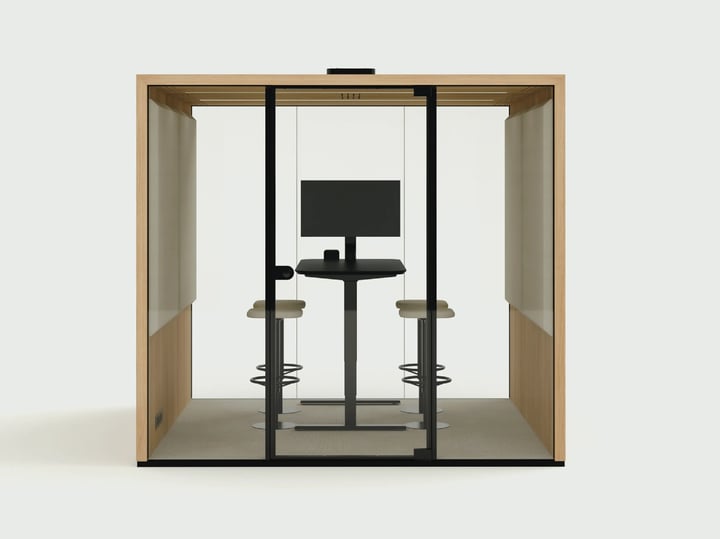
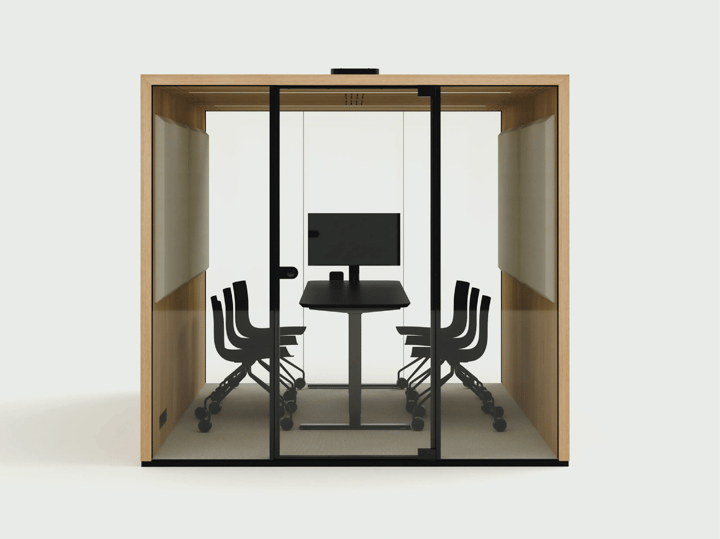
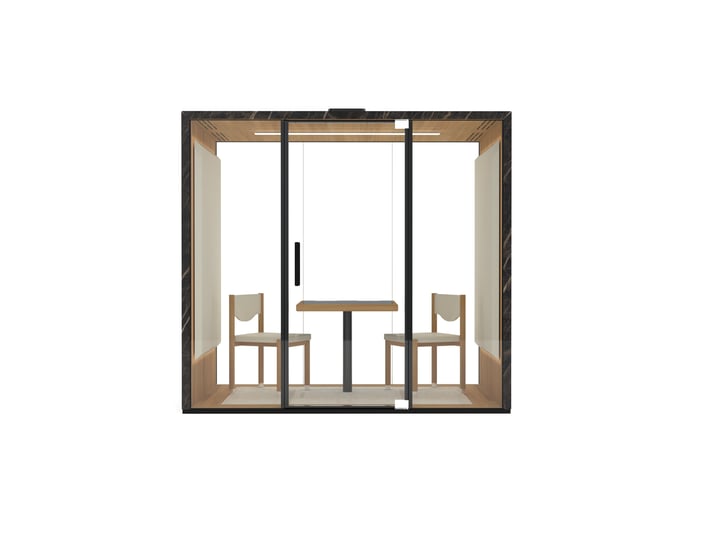
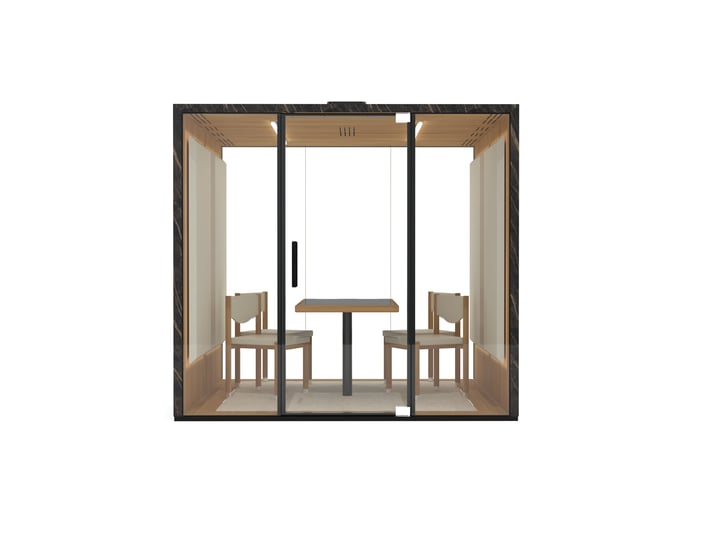
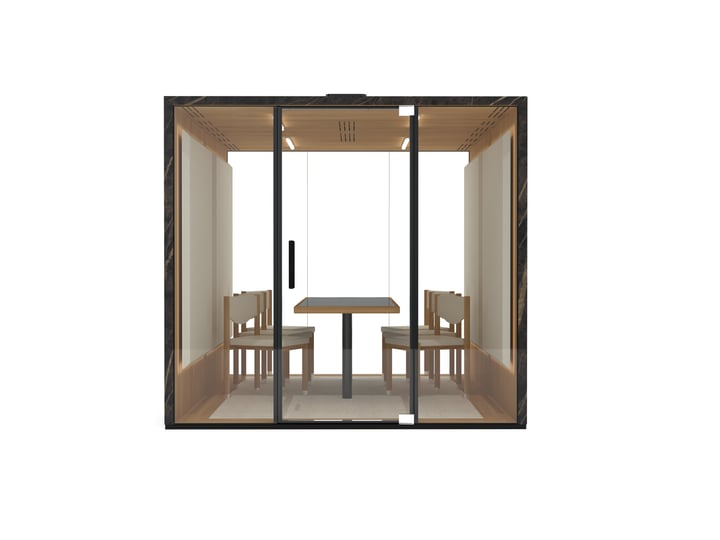
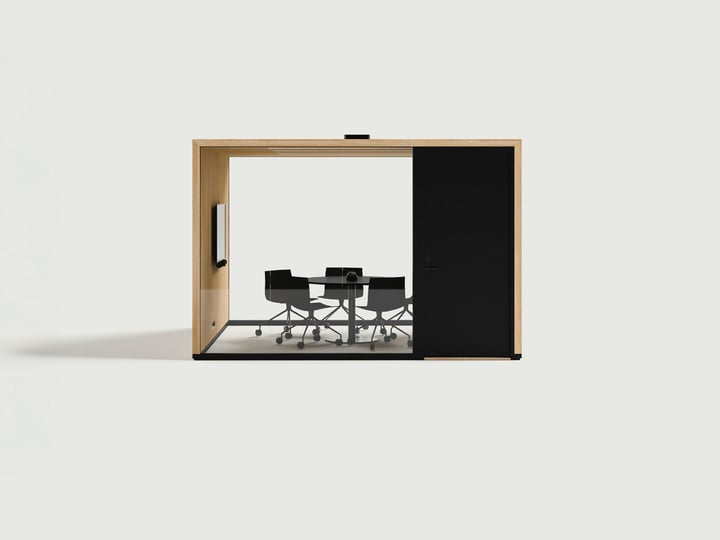
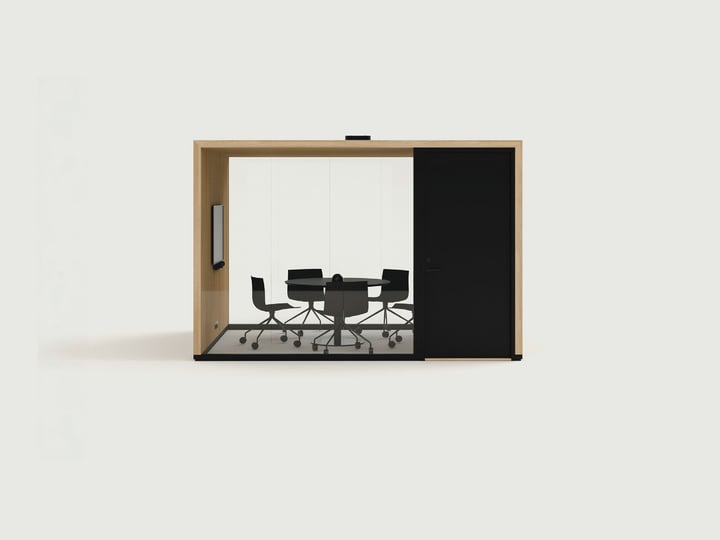
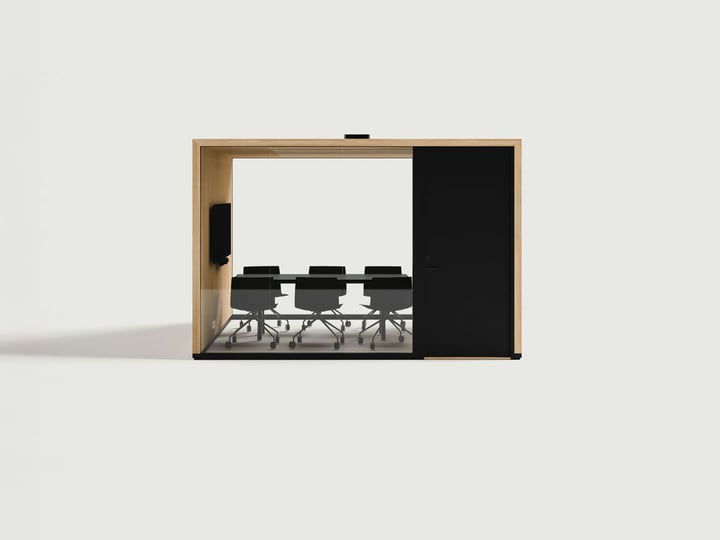
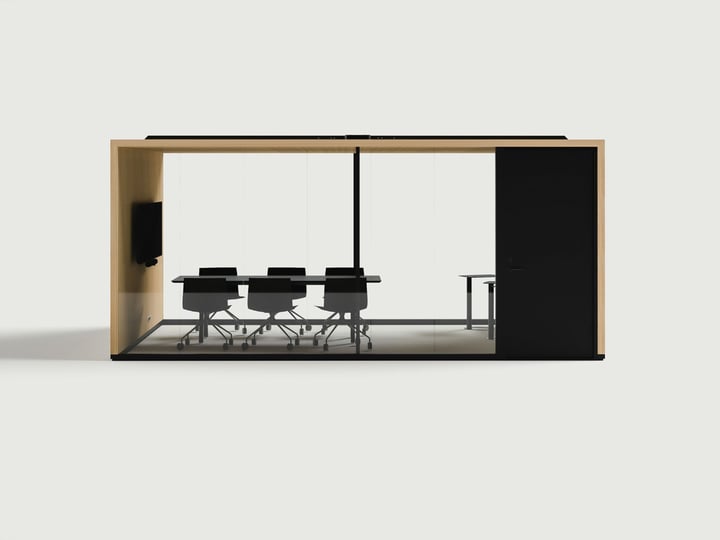
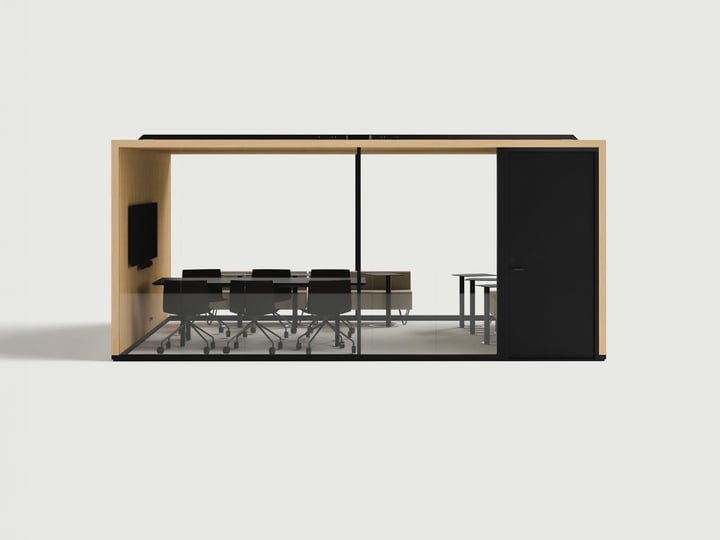
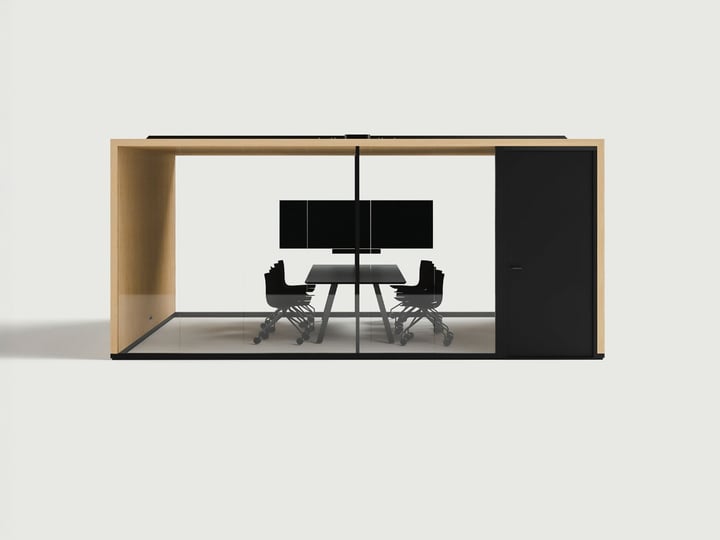
Taiga Forma is a modular space concept that combines acoustic workspaces and architectural elements into a single, clear entity. It helps to transform open spaces into easy-to-understand zones for concentration, collaboration, meetings and transitions. The aim is to maintain both acoustic comfort and visual clarity.

Modularity allows you to adapt your office without heavy renovations. Units can be moved, dismantled, reassembled and used for future changes or new premises. This extends the life of the investment and reduces the number of situations where an old solution becomes redundant.

Taiga's solutions are delivered ready to assemble, reducing the load on site. Installation can be up to 40% faster, and there is typically less disruption to everyday office life than with traditional construction. This is a big advantage in environments where spaces need to remain occupied during erection.

With standardised components and straightforward installation, the total cost of ownership is easier to predict. Modularity reduces surprises by eliminating the need to dismantle and rebuild the space with each change. Life-cycle savings come in particular from re-use and adaptability.

Taiga focuses on material choices and long-lasting design to ensure that solutions stand the test of time, both technically and visually. Taiga maximises the proportion of organic materials, makes extensive use of wood and minimises the use of metals. Wood elements are sourced from FSC-certified suppliers, and materials also make use of recyclable and recycled alternatives, such as recyclable nylon carpet and consumer recycled polyester for upholstery fabrics.

Taiga Cycle is a circular economy programme that allows you to return a qualifying work solution and get back up to 50% of its original value. The condition is that the product is registered after installation and used for at least 36 months. Taiga assesses the condition, arranges dismantling and collection, and the returned units are refurbished for new use. This makes upgrades and modifications more manageable and supports sustainability objectives.

When spaces are adaptable, they can be rearranged as work changes. You can add concentration points, build more meeting areas or change zones without building permanent walls. This helps to keep the work environment up to date, even when teams and ways of working change rapidly.

Taiga's design is clean and timelessly minimalist, which helps it to fit into a wide range of environments. The variety of surfaces and ensembles allows the space to feel like your own without the visual distraction. The aim is for the working environment to look thoughtful and feel calm year after year.

Taiga's starting point is that a good working environment supports both concentration and recovery during the working day. Acoustically balanced design and aesthetics based on natural materials help create a space where it is easier to relax and work without constant stress. This often translates into better working peace and smoother encounters.
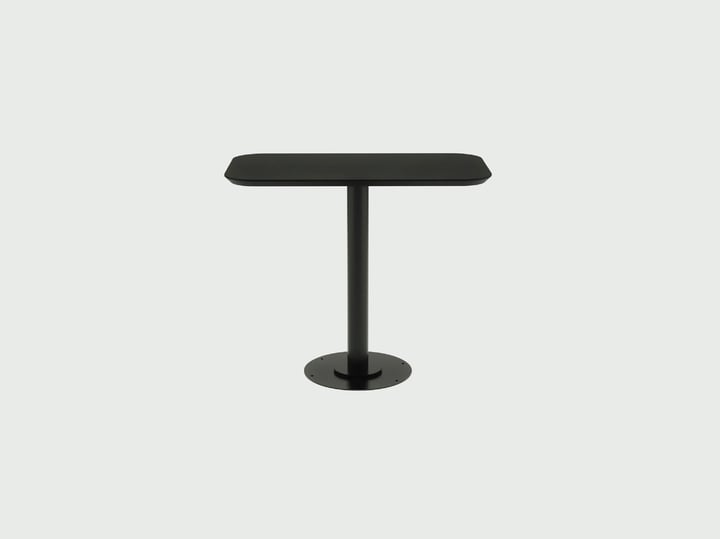
Taiga provides design support materials and resources to make it easier to integrate solutions into the overall design. In addition, the Taiga Forma approach provides a clear model for building a coherent environment from individual elements. This facilitates project management and consistency in the end result.
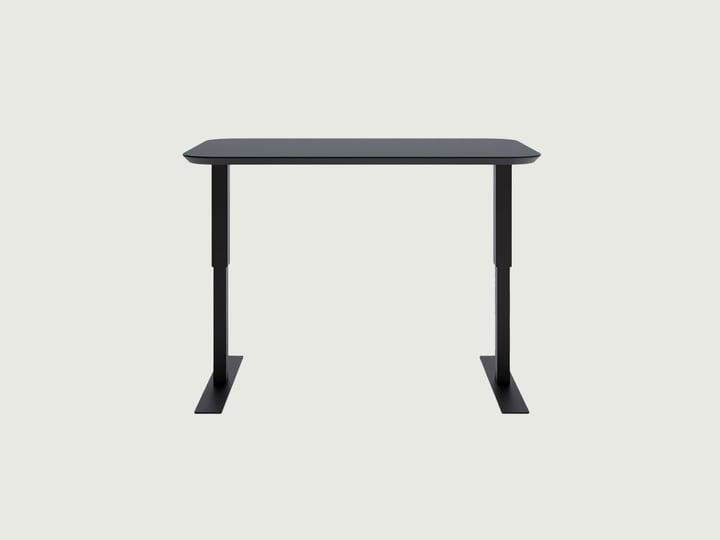
As work changes, so must the premises. Taiga's modularity, zonal conceptualisation and circular economy model reduce the risk that the investment will quickly become obsolete. You get a package that brings peace of mind now and maintains flexibility for future changes.

A good place to start is to identify the situations where industrial peace or encounters are currently suffering. Then you can outline the zones of space and choose solutions that support focus, meetings and collaboration without unnecessary complexity. Taiga's thinking is all about functionality in everyday life and adaptability for the future.