






















.jpg?width=1470&name=Taiga%20Forma%20Lifestyle%20(38%20of%2054).jpg)
Hybrid models, shifting expectations, and evolving work styles are challenging the traditional idea of the office. Rows of assigned desks and static meeting rooms no longer reflect how people actually work. Instead, organizations are rethinking their spaces to better support focus, collaboration, and wellbeing.
This is where activity-based office design comes in.
What is an activity-based office?
An activity-based office (ABW) is designed around how people work, not where they sit.
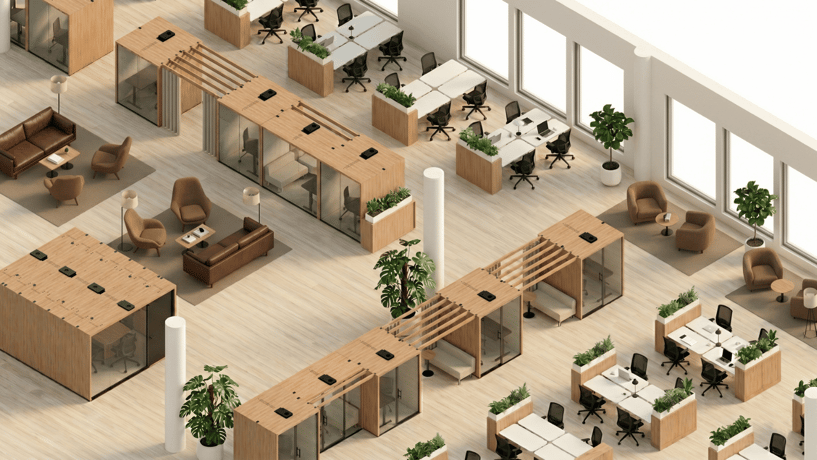
Instead of assigning desks, the workspace is divided into zones tailored for different activities:
- Quiet areas for deep focus
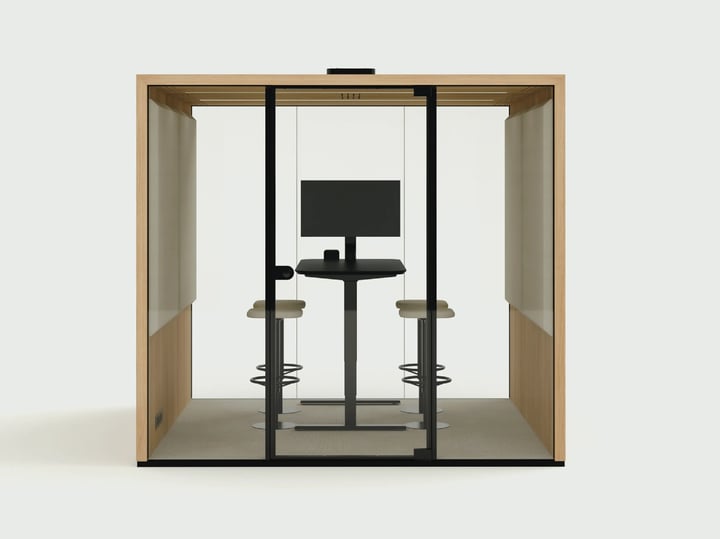
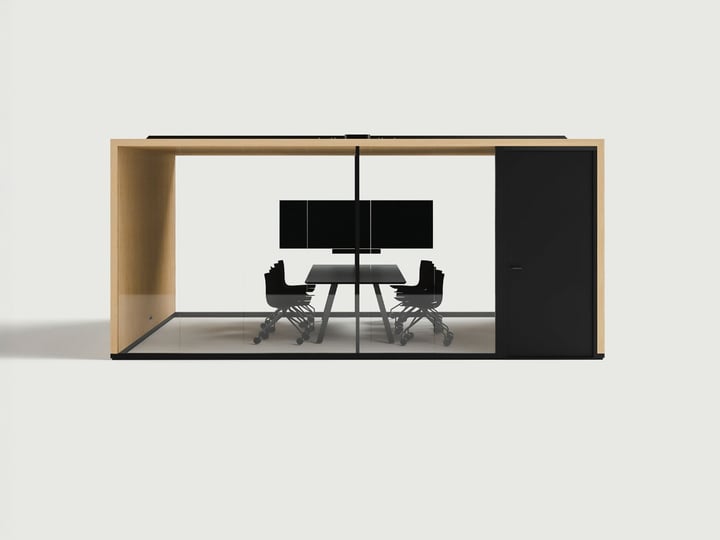
- Collaborative spaces for teamwork
- Informal zones for quick interactions
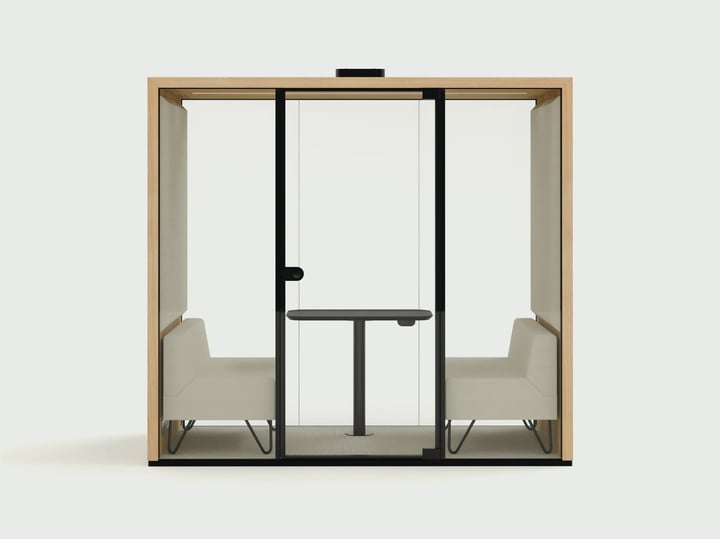
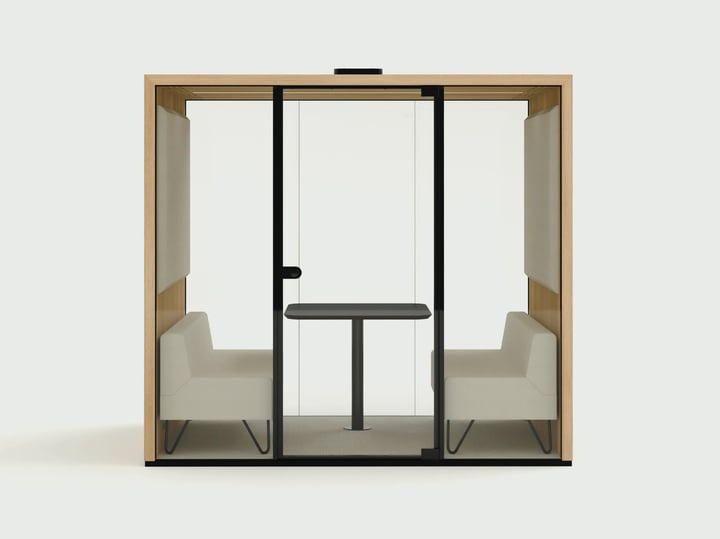
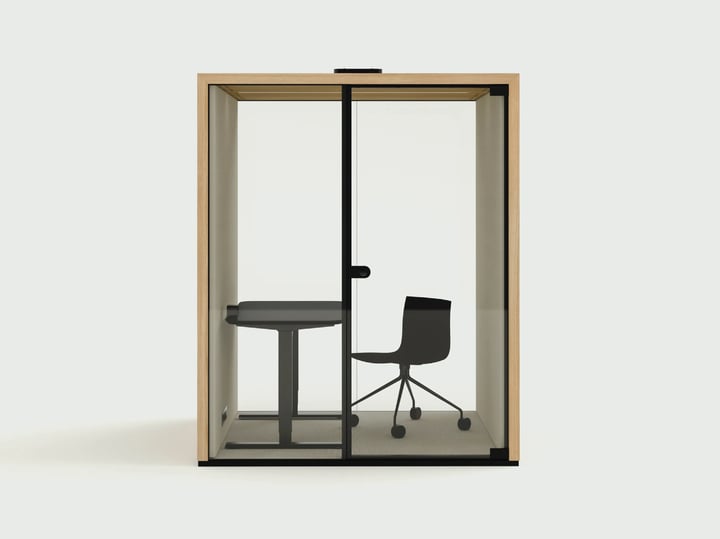
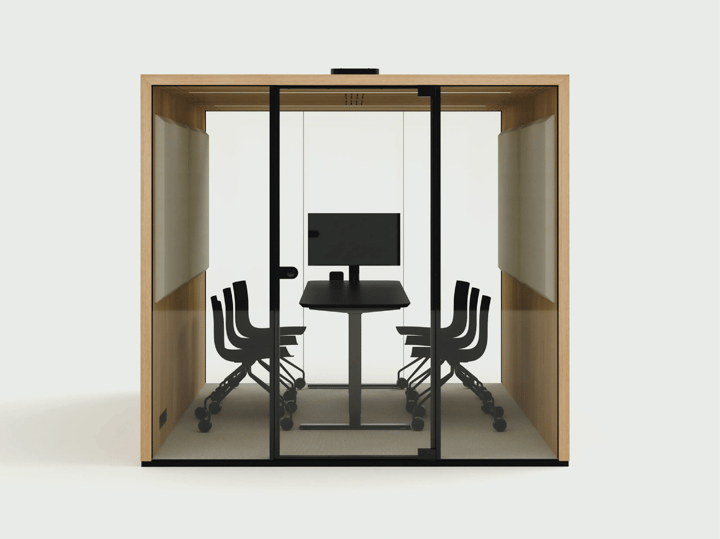
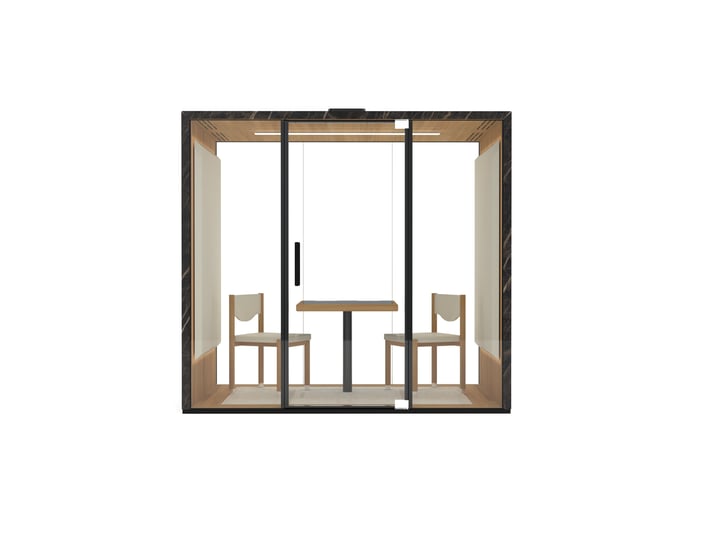
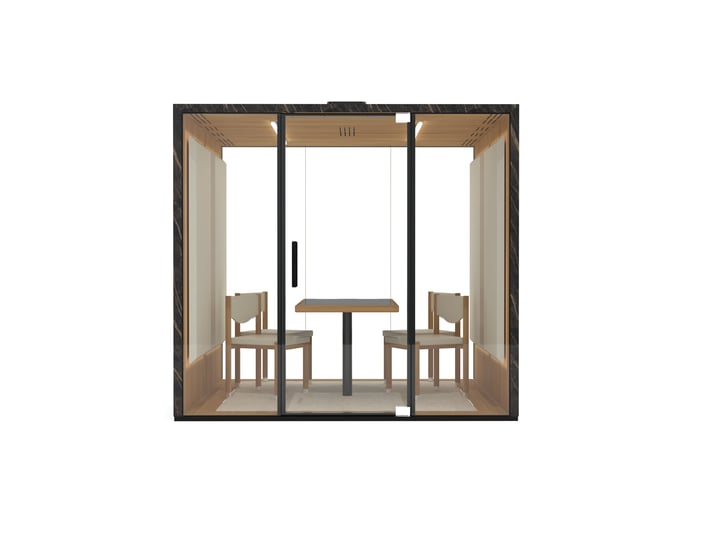
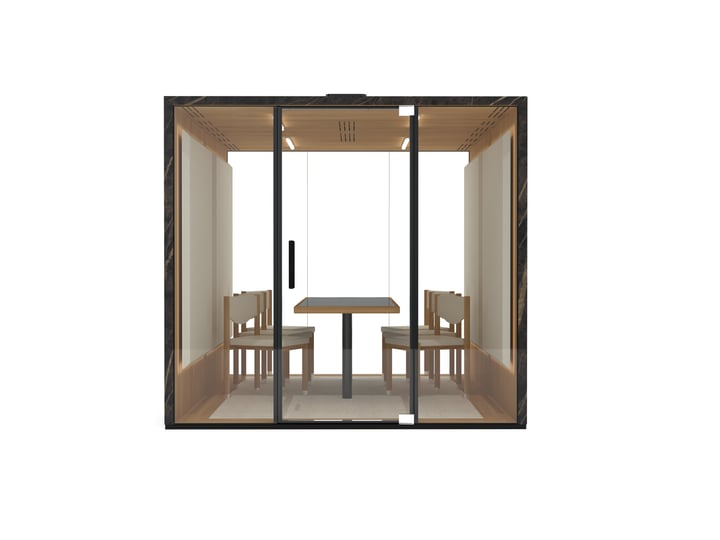
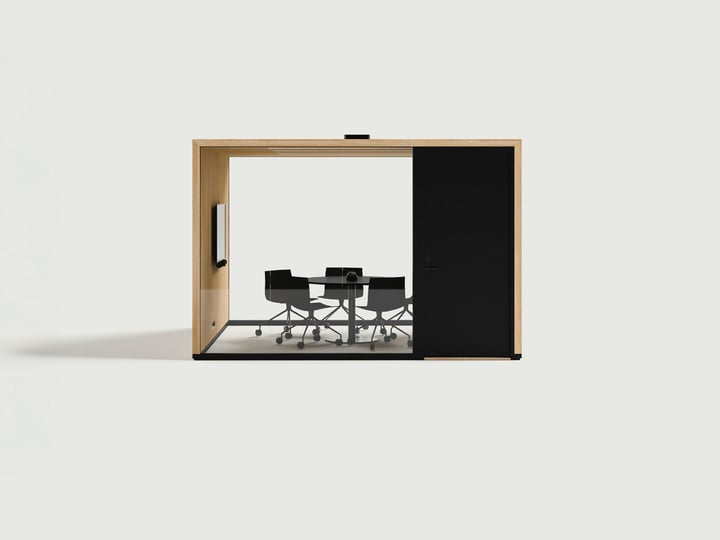
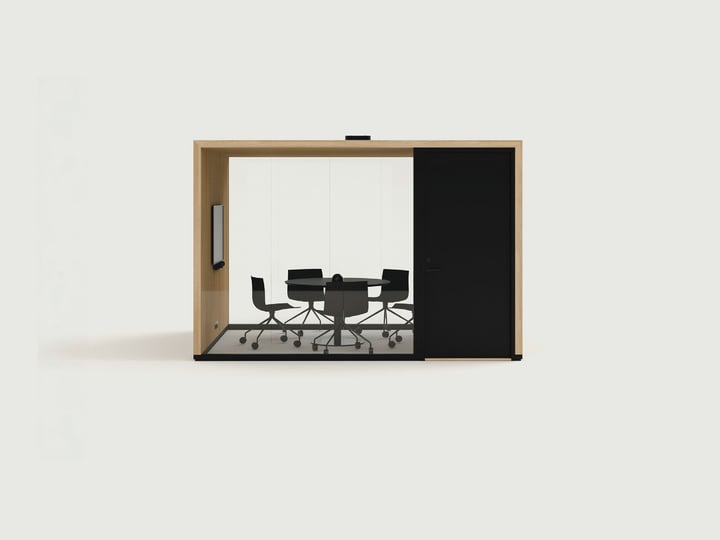
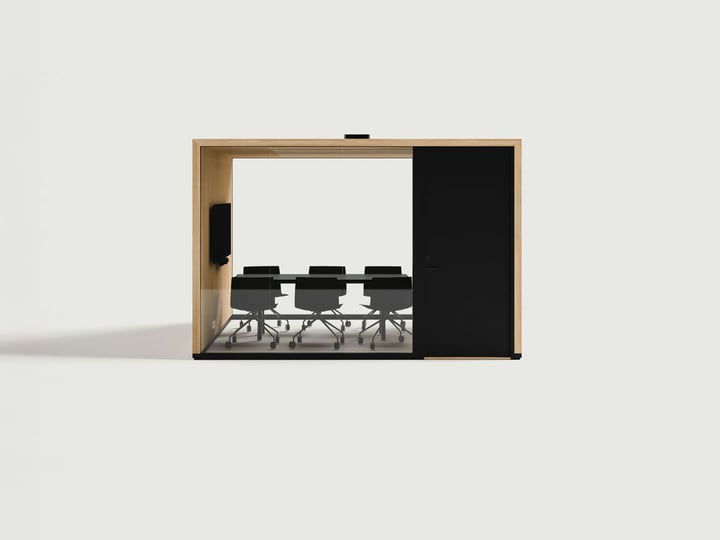
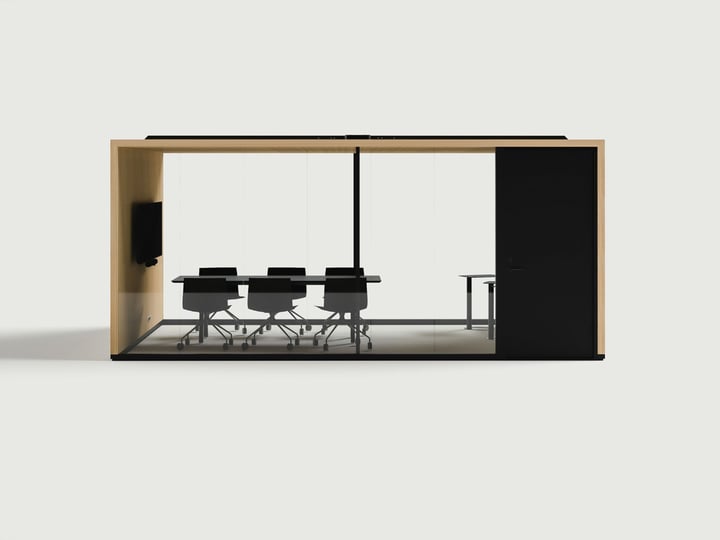
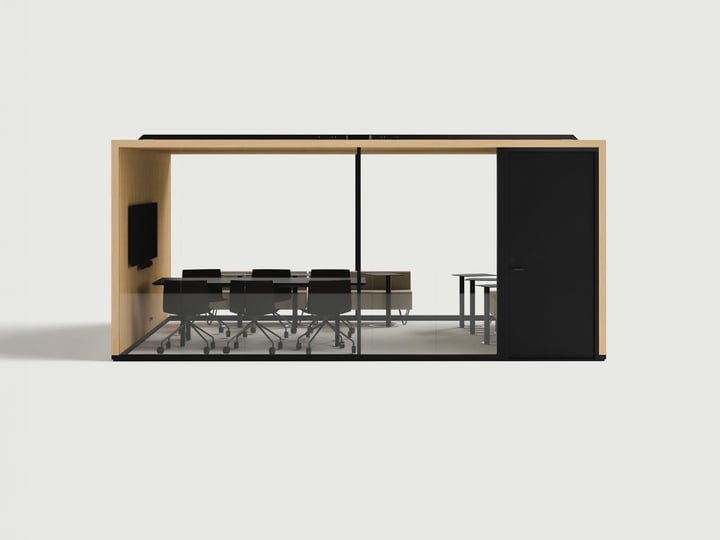
- Private rooms for calls or concentration
- Social spaces that foster connection
Employees choose the environment that best supports their task at any given moment.
The result? A workspace that adapts to people—not the other way around.
.jpg?width=1669&height=2500&name=Taiga%20Forma%20Lifestyle%20(7%20of%2054).jpg)
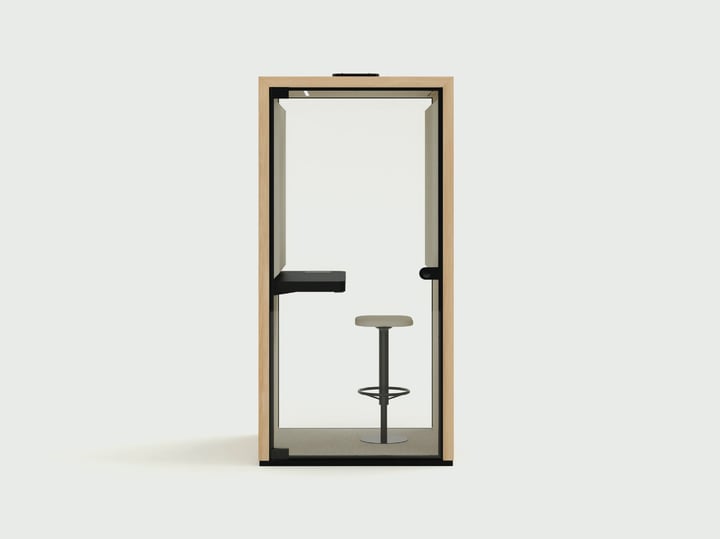
Focus
.jpg?width=6016&height=4016&name=Taiga-Forma-Lifestyle-(39-of-54).jpg)
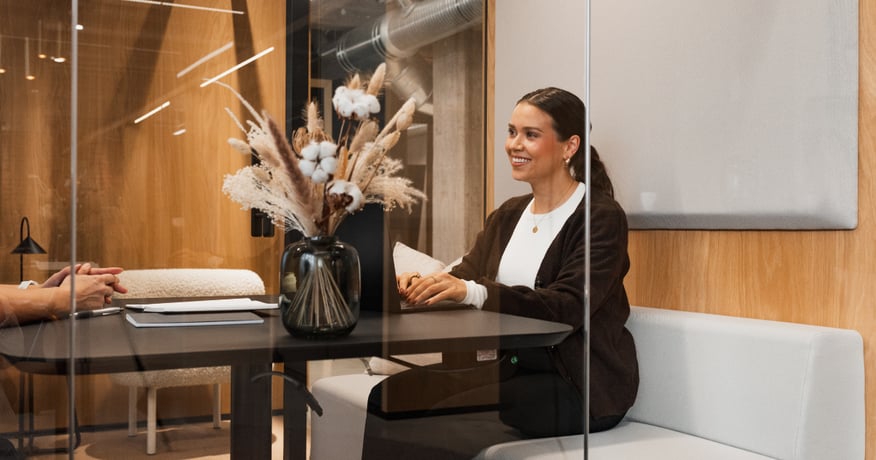
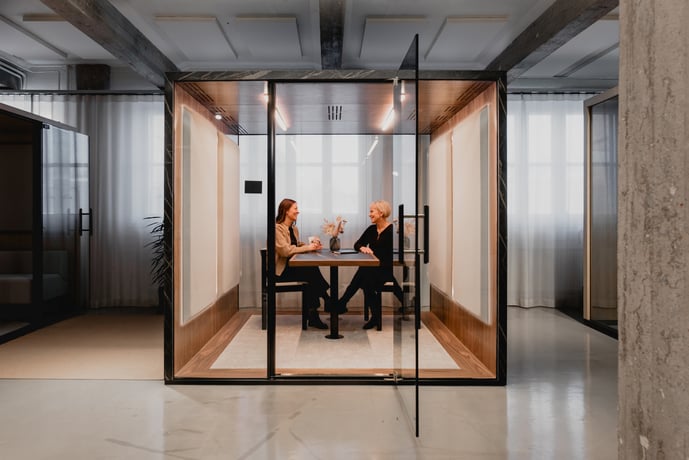
Meet
.jpg?width=2500&height=1669&name=Taiga%20Forma%20Lifestyle%20(19%20of%2054).jpg)
Connect
.jpg?width=2500&height=1669&name=Taiga%20Forma%20Lifestyle%20(51%20of%2054).jpg)
Transition
Why companies are making the shift
The move toward activity-based design isn’t just a trend—it’s a response to real challenges.
1. Work is more diverse than ever
A typical workday now includes a mix of independent tasks, meetings, creative sessions, and virtual collaboration. A single desk can’t support all of that effectively.
2. Offices need to earn their place
With hybrid work, the office is no longer mandatory. It needs to offer something valuable—better environments, better tools, and better experiences than working from home.
3. Space efficiency matters
Traditional offices often have unused desks and underutilized rooms. Activity-based design optimizes space usage without compromising employee experience.
The benefits of activity-based office design
When done right, ABW delivers tangible results—for both people and the business.
-
Improved productivity and focus: Different tasks require different environments. Providing dedicated spaces for focus helps reduce distractions and supports deep work.
-
Better collaboration: Purpose-built collaboration zones make teamwork more natural and effective, whether it’s a quick sync or a longer workshop.
-
Increased employee satisfaction: Giving employees choice and autonomy over how and where they work leads to higher engagement and wellbeing.
-
Flexibility for the future: Activity-based offices are inherently adaptable. As organizations evolve, the workspace can evolve with them.
-
Stronger company culture: Well-designed spaces encourage spontaneous interactions and strengthen connections between teams.
What it takes to make it work
Activity-based design is not just about furniture or layout, it’s about aligning space with behavior.
Successful implementations consider:
- User needs and work patterns
- Acoustic and visual privacy
- Technology integration
- Clear zoning and intuitive navigation
- Change management and employee onboarding
Without these, even the best-designed space can fall short.
Real-world examples of activity-based design
Across industries, organizations are already seeing the impact of activity-based environments.
- Aker Solutions created a future-ready workspace that supports both collaboration and focused work, enabling teams to perform at their best in a hybrid setting.
- Endress+Hauser’s campus was designed to evolve over time, reflecting the need for flexibility and long-term adaptability.
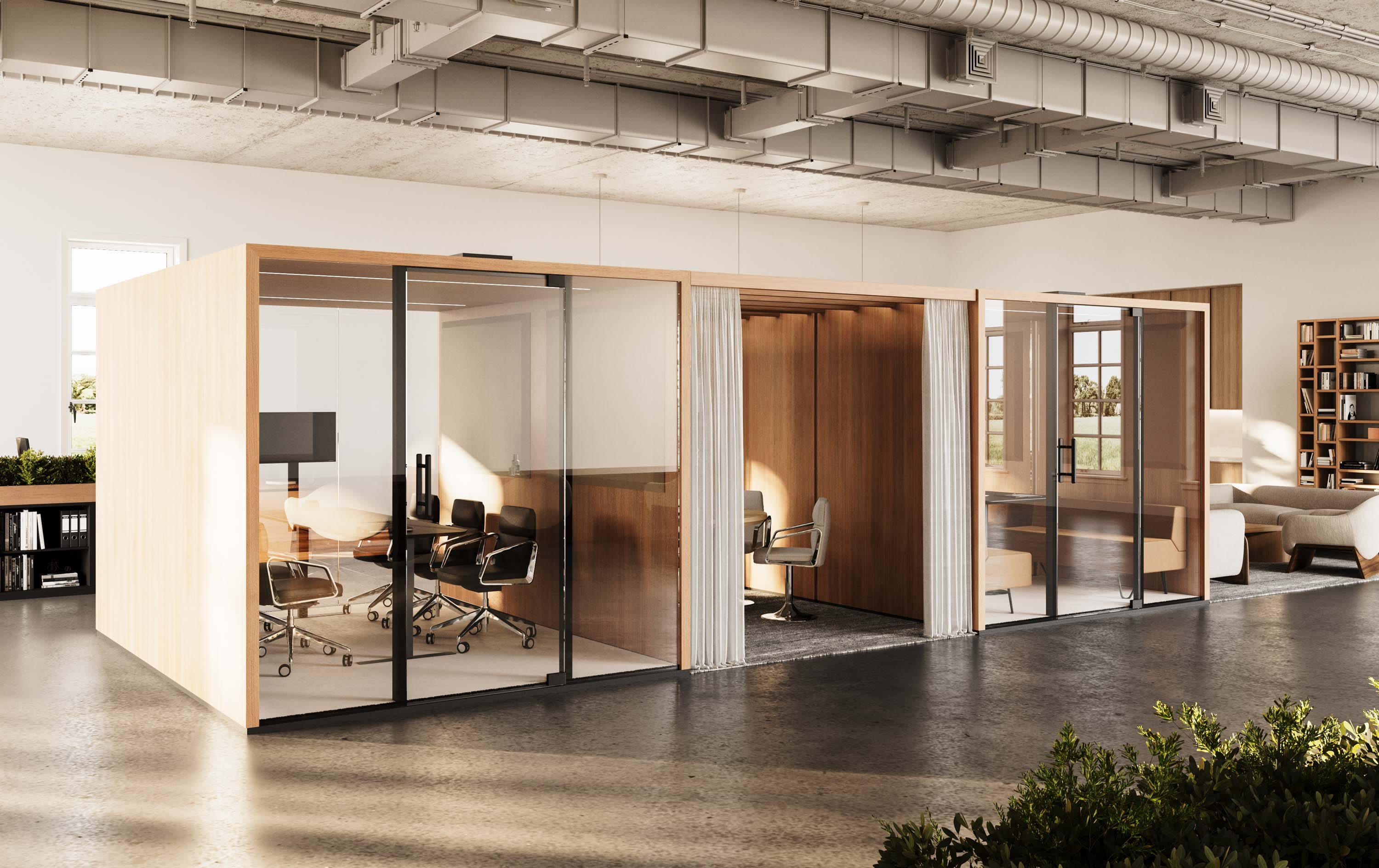
- Taiga Showroom demonstrates how an activity-based workspace can bring together functionality, aesthetics, and user experience in a cohesive way.
These examples show that activity-based design is not one-size-fits-all—it’s tailored to each organization’s needs.
Modularity and circularity: designing for what’s next
A well-designed office shouldn’t just support today’s needs; it should adapt to tomorrow’s.
That’s where modularity and circular thinking come in. Instead of fixed structures, modular solutions make it possible to reconfigure spaces as teams grow, workstyles evolve, or requirements change—without starting from scratch.
This approach doesn’t just improve flexibility. It also supports more sustainable decisions. By extending the lifecycle of workspace elements through reuse, refurbishment, and adaptation, companies can significantly reduce waste and make better use of resources.
At Taiga, this thinking is built into the foundation. Through initiatives like Taiga Cycle, workspaces are designed to stay in use longer; evolving alongside the organizations they serve.
And this is where tools like Taiga Forma come into play.
By combining modular design with intelligent planning, Taiga Forma helps create activity-based environments that are not only functional and flexible, but ready to evolve over time.
How Taiga Forma helps design activity-based workspaces
Designing an activity-based office requires more than good intentions—it requires the right tools and expertise.
Taiga Forma is built to support the entire workspace design process:
- Visualizing different layout options quickly
- Testing how spaces support various work activities
- Ensuring efficient use of space without compromising user experience
- Creating designs that are both functional and future-proof
Activity-based design offers a practical, proven way to create spaces that support people, improve performance, and stay relevant in a changing world.